
I. Intro: Moving Beyond the Clinic Walls – The Rise of Smart Rehab
Hook: Remember when physical therapy meant endless, inconvenient trips to the clinic, carving out time from your already packed schedule? What if your smartwatch could bring the clinic to you, offering guidance and support without disrupting your daily life?
The Big Picture: Welcome to the unfolding era of Remote Therapeutic Monitoring (RTM) – a paradigm shift where technology transcends basic health tracking and actively participates in your recovery journey, right from your wrist. This isn’t just about counting steps; it’s about intelligently guiding you toward your therapeutic goals.
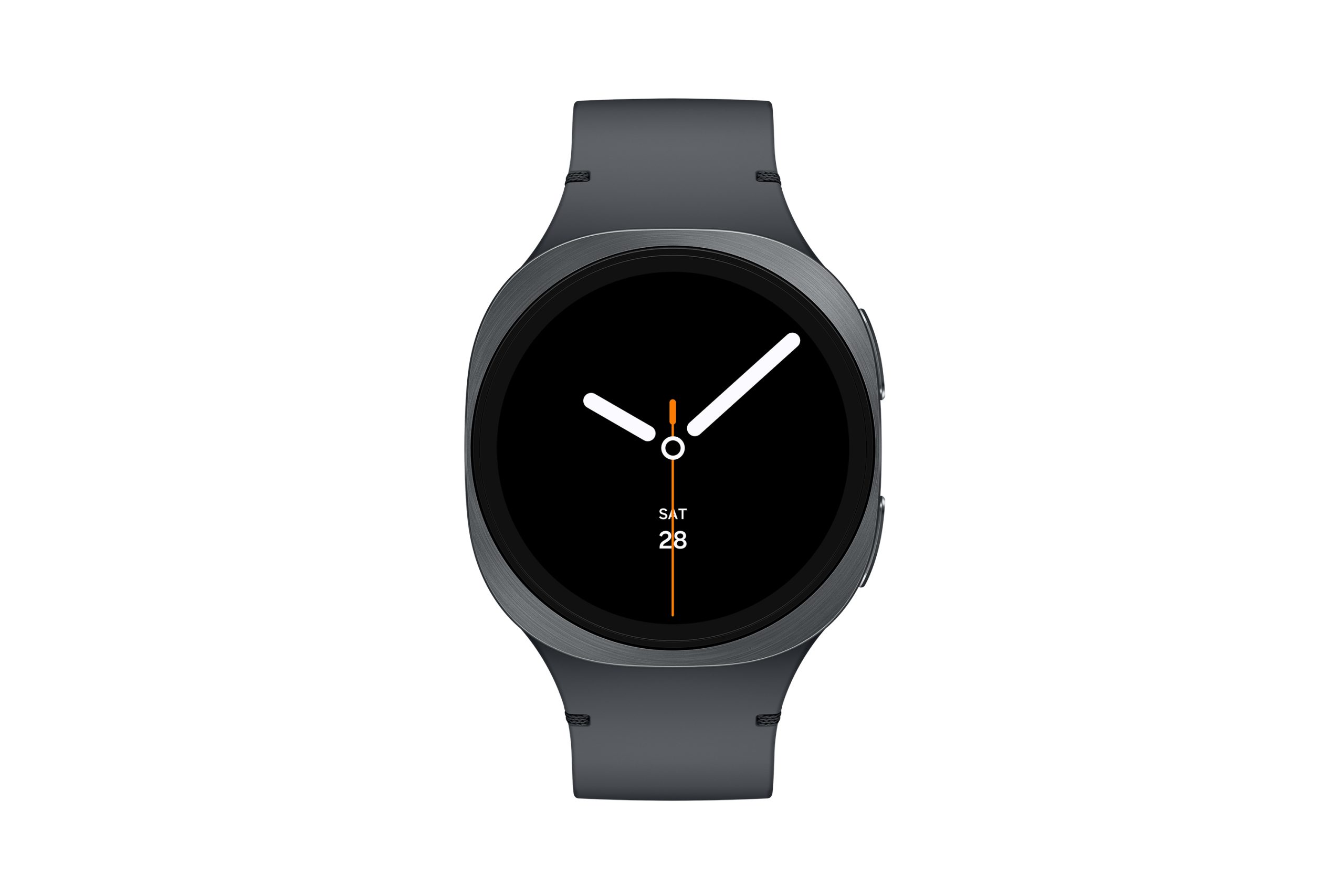
Star of the Show: The Samsung Galaxy Watch 8 is poised to become a significant player in this revolution, presenting both exciting opportunities and critical questions for PT patients and healthcare professionals alike.
II. RTM Decoded: What’s the Buzz About “Therapeutic” Monitoring?
Beyond Basic RPM: Forget simply monitoring heart rate or sleep cycles. RTM delves into non-physiological data streams that are crucial for effective physical therapy. Imagine a device that tracks:
- Adherence: Are you diligently performing your prescribed exercises, or are you skipping sessions?
- Pain Levels: How do your pain levels fluctuate throughout the day, and how are they impacted by your activities?
- Therapeutic Response: Is your body responding to the therapy as expected, or do adjustments need to be made?
- Movement Analysis: Detailed tracking of movement patterns, range of motion limitations, and even subtle muscle activity.
Why It Matters: RTM fundamentally fills a critical void, offering therapists a continuous window into your recovery process between scheduled appointments. It bridges the gap between the clinic and your everyday life, providing a more holistic view of your progress.
III. From Telegraphs to Touchscreens: A Brief History of Remote Health
- The OG Telemedicine (19th Century): Envision medical orders transmitted via telegraph during the American Civil War, a rudimentary yet groundbreaking attempt to overcome geographical barriers. Alexander Graham Bell’s invention of the telephone ignited early dreams of remote consultations, hinting at a future of interconnected healthcare.
- Space Race & Earthside Trials (Mid-20th Century): Picture NASA pioneering remote physiological monitoring during Alan Shepard’s 1961 spaceflight – arguably the genesis of RPM! Simultaneously, early Earth-bound programs, such as those serving the Papago Indian Reservation, provided invaluable insights into the practical challenges and ethical considerations of remote healthcare delivery.
- The Internet Explosion (1990s-2000s): The advent of broadband internet revolutionized global health data transmission, making real-time remote monitoring a tangible reality. The establishment of the American Telemedicine Association marked a pivotal moment, solidifying the field as a legitimate and rapidly evolving discipline.
- Wearable Revolution & COVID-19 (21st Century): The emergence of sophisticated smartwatches, capable of collecting a wealth of health data, coincided with the COVID-19 pandemic, which turbo-charged telehealth and RPM adoption. Remote care transitioned from a futuristic concept to an essential component of healthcare delivery.
- The Game Changer for PTs: The introduction of new CPT codes in 2022, specifically designed for RTM, empowered physical therapists to bill for these vital remote services, paving the way for widespread adoption and integration into standard practice.
IV. The Galaxy Watch 8 in Action: Cheers, Concerns, and “Wait, Really?”
- The Good News (A Patient & PT Love Story):
- For You (the Patient):
- Convenience & Access: Imagine receiving physical therapy guidance from the comfort of your living room! This is particularly beneficial for individuals in rural areas or those with mobility limitations.
- Stay Motivated: Benefit from real-time feedback, personalized goal setting, and visual representations of your progress, potentially leading to up to 40% better adherence and 27% faster recovery!
- Personalized Touch: Your therapist can dynamically adjust your treatment plan based on your real-world data, ensuring a truly individualized approach.
- Empowerment: Take an active role in your own recovery journey, armed with data and insights to make informed decisions.
- For Your Therapist:
- Objective Insights: Eliminate guesswork regarding home exercise compliance – your therapist can access objective data to assess your adherence and identify potential challenges.
- Smarter Decisions: Leverage data-driven insights to make informed adjustments to your treatment plan, optimizing your progress and outcomes.
- Efficiency Boost: Manage a larger patient caseload, while simultaneously focusing on personalized care, potentially generating new revenue streams for your practice.
- Early Warning System: Proactively identify potential issues or setbacks before they escalate into significant problems, enabling timely intervention.
- For You (the Patient):
- The Not-So-Great (Reality Checks & Head Scratchers):
- “Is This Thing Accurate?” (Accuracy Debate):
- While the Galaxy Watch 8 generally exhibits good heart rate (HR) accuracy (sometimes reaching 90% correlation with ECG), it can lag during periods of intense physical activity.
- Measurements like VO2 Max (82% accuracy) and body fat percentage (95% correlation with DEXA scans) show promising potential.
- BIG CAVEAT: Samsung explicitly states that the Galaxy Watch is “intended for general wellness purposes only” and is “not intended for use in the detection, diagnosis, or treatment of any medical condition.” This implies that while your PT can utilize the data, it should not be considered a definitive diagnostic tool.
- Certain “Running Coach” features have been criticized as lacking personalization and potentially offering generic or unhelpful advice.
- “Who’s Looking at My Data?” (Privacy & Security Fears):
- Samsung collects a substantial amount of user data, encompassing biometric information, location data, voice recordings, and browsing history.
- They may share or sell anonymized data to partners or for advertising purposes, subject to the provisions of certain state laws.
- Past instances of data breaches have raised concerns regarding the security and privacy of user information.
- While you must consent to the terms of Samsung Health, you may be able to mitigate some privacy risks by disabling cloud synchronization, thereby keeping your data stored locally on your device.
- “Can We All Just Get Along?” (Integration Headaches):
- Integrating data from the Galaxy Watch 8 into existing Electronic Health Record (EHR) systems can present significant challenges due to compatibility issues and data formatting discrepancies.
- Synchronization between Samsung Health and other popular fitness apps (such as Google Fit) can be inconsistent and prone to errors.
- “Is It Worth It?” (Cost & Usability Barriers):
- The initial cost of implementing RTM systems, including devices and software, can be a significant barrier for some clinics.
- Some patients, particularly older adults, may find the devices challenging to use, potentially leading to inaccurate data or complete abandonment of the technology.
- Therapists may experience information overload from the influx of data, requiring efficient strategies for data analysis and interpretation.
- It’s crucial to remember that technology is merely a tool, not a replacement for the essential human touch, empathy, and clinical judgment of a qualified physical therapist.
- “Forever Chemicals” Lawsuit: A lesser-known controversy surrounds the presence of PFAS (per- and polyfluoroalkyl substances) in certain watch bands, raising concerns about potential health risks (while not directly PT-related, it can influence user perception and trust).
- “Is This Thing Accurate?” (Accuracy Debate):
V. Glimpsing the Horizon: The Future of Smartwatches in PT
- Sensors Get Super Smart: Anticipate the emergence of even more accurate and specialized sensors capable of:
- Precisely tracking joint range of motion, gait patterns, and balance with unprecedented accuracy.
- Non-invasively monitoring novel biomarkers, providing deeper insights into physiological processes.
- Simultaneously capturing multiple parameters, offering a holistic view of your health status.
- Integrating with smart insoles, wearable cameras, and “smart sleeves” to capture even more granular data about movement and biomechanics.
- AI Takes the Wheel (Carefully!):
- AI algorithms will intelligently sift through your data to identify anomalies, predict recovery trajectories, and suggest personalized, adaptive exercises tailored to your specific needs.
- Receive real-time feedback on your exercise form, essentially having a virtual coach guiding you from your wrist!
- Leverage predictive analytics to identify individuals at risk of injury and implement preventative measures.
- Interact with AI-powered virtual assistants that provide constant support, reminders, and motivation throughout your recovery journey.
- A Connected Health Universe:
- Experience seamless integration with a broader ecosystem of IoT devices, smart clothing, and VR/AR technologies, creating immersive and engaging rehabilitation experiences.
- Transform any camera-equipped device into a “sensorless motion tracking” system for remote PT assessments and guidance.
- Addressing the Hurdles: Ongoing research efforts are focused on enhancing device accuracy, strengthening data security, improving user-friendliness, and reducing costs, while simultaneously ensuring seamless integration into existing healthcare systems.
VI. The Verdict: A Smarter, More Accessible Road to Recovery
The Galaxy Watch 8 and its smartwatch counterparts are undeniably reshaping the landscape of physical therapy.
They offer a compelling pathway towards more engaging, personalized, and accessible rehabilitation experiences.
While challenges persist – particularly regarding data accuracy, privacy concerns, and system integration – continuous innovation and dedicated research are paving the way for a truly transformative future.
Ultimately, the goal is to harmoniously blend cutting-edge technology with the irreplaceable wisdom and expertise of healthcare professionals, empowering you to regain your mobility, strength, and independence, faster and more effectively than ever before.
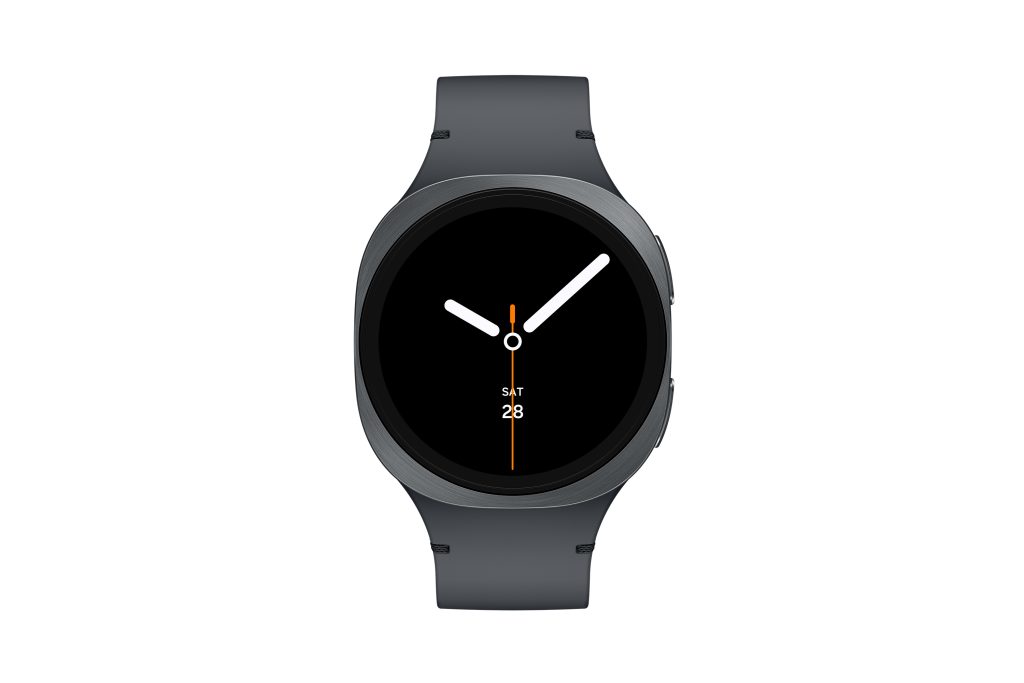
Samsung Galaxy Watch 8 (2025)