
I. Introduction: The Smartwatch Revolutionizing PT
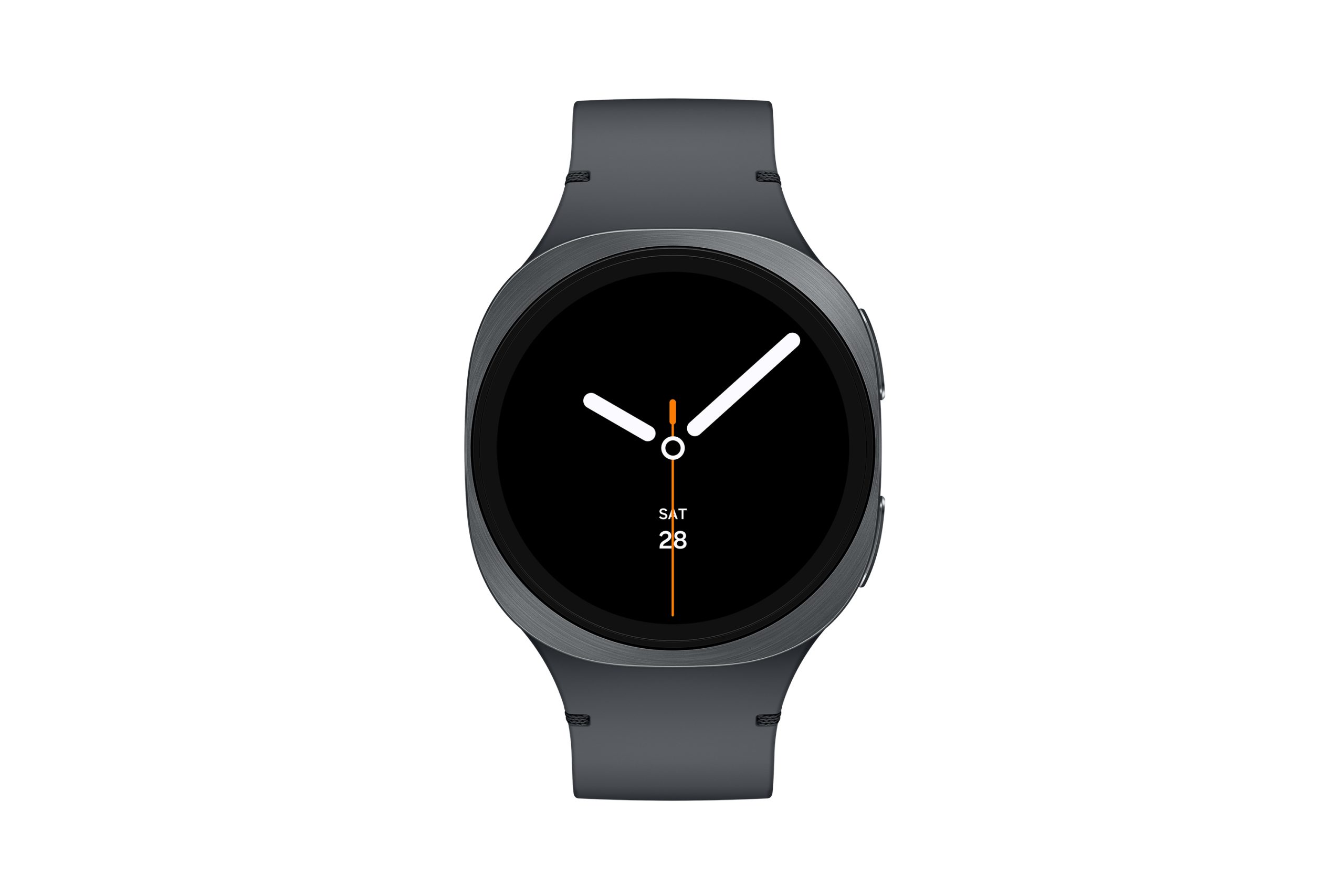
Remember when smartwatches were just glorified step counters? Think again! We once marvelled at the mere ability to count paces, but now, the very fabric of rehabilitation is being re-woven by technology worn on our wrists. The Samsung Galaxy Watch 8 isn’t just for tracking your morning jog; it’s emerging as a powerful, multi-faceted tool for physical therapists (PTs) to revolutionize patient care.
Forget basic fitness; the Galaxy Watch 8 offers advanced sensors and AI that provide unprecedented insights, making it an indispensable partner in personalized, remote rehabilitation. It prompts a profound question: are we on the cusp of a new era where technology allows for a deeper, more nuanced understanding of the human body in motion and at rest, ultimately leading to more effective and accessible care?
II. A Walk Through Time: Wearables from Pedometer to PT Powerhouse
The pursuit of quantifying movement and physiological parameters is far from new. Consider the echoes of ingenuity past: Leonardo da Vinci’s pedometer, a testament to humanity’s enduring curiosity about measuring steps. Then, the Holter monitor, a bulky precursor to today’s sleek devices, diligently capturing the heart’s rhythm over extended periods. Early digital watches like the Pulsar, with their glowing red digits, hinted at the data-driven future to come. Wearables have been around, but they were basic.
The dawn of “smart” was gradual. From Seiko’s Data 2000, a marvel of data storage, to the Timex Datalink, famously interfacing with NASA technology, early smartwatches focused on data storage and basic information dissemination. Let us not forget Samsung’s own early foray into the market – a watch phone in ’99, a bold attempt to merge communication and personal technology.
The modern era, however, truly sparked with the arrival of Pebble in 2012, igniting the modern smartwatch boom. This was quickly followed by tech giants like Apple, Samsung, and Google, making health and fitness central to their wearable offerings. Suddenly, heart rate, steps, sleep patterns – these devices became comprehensive health companions. We’ve come a long way from simple step counters, haven’t we?
And so, wearables gradually moved from personal fitness to clinical tools, finding a niche for activity tracking, motion analysis, and remote monitoring in the realm of physical therapy. A transformation from personal gadget to professional asset.
III. The Galaxy Watch 8: Your Patient’s New Virtual Assistant (and Your Data Goldmine)
The Galaxy Watch 8 is not merely an incremental upgrade; it’s a paradigm shift in how we perceive wearable technology in healthcare.
- Beyond the Basics: A Sensor Symphony:
- BioActive Sensor: The core of the device, meticulously tracking a wide array of physiological parameters.
- Heart of the Matter: Real-time heart rate monitoring, ECG capabilities (for detecting irregular rhythms), and even Blood Pressure monitoring, offering a comprehensive view of cardiovascular health.
- Breathing Easy: Blood Oxygen (SpO2) levels, a crucial metric for assessing respiratory function and overall well-being.
- Temperature Check: Skin temperature monitoring, providing insights into overall health and sleep quality.
- Body Breakdown: Bioelectrical Impedance Analysis (BIA) for detailed body composition analysis, including body fat percentage, muscle mass, and BMI. It’s more than just weight; it’s about understanding the body’s intricate composition.
- Sleep Savvy: FDA-approved sleep apnea detection, coupled with comprehensive sleep analysis (score, snoring detection, movement tracking). A deep dive into the nocturnal realm.
- Aging Insights: Advanced Glycation End Products (AGEs) Index tracking – a fascinating glimpse into metabolic health and the aging process.
- Pinpoint Precision: Dual-frequency GPS for exceptionally accurate activity tracking, ensuring precise data collection during outdoor activities.
- AI Takes the Wheel: Turning Data into Actionable Insights:
- Galaxy AI for Health: Samsung’s intelligent assistant, adept at analyzing the vast streams of data collected by the watch, providing personalized insights and recommendations.
- Energy Score: A daily readiness check, factoring in sleep quality, stress levels, and activity patterns, helping users optimize their daily routines.
- Workout Wizardry: Tracking over 100 different workouts, enabling the creation of custom routines, providing real-time performance comparisons, offering personalized heart rate zones, and even calculating Functional Threshold Power (FTP) for cyclists. A veritable training companion on your wrist.
- Seamless Integration: All data seamlessly flows into Samsung Health, a centralized hub for managing and visualizing health information, and no subscription is required.
- The Clinic Connection (Future): Xealth integration for the Watch 8 series – facilitating direct links to healthcare platforms for remote patient monitoring. This integration could revolutionize how PTs monitor and manage patients remotely.
IV. The Game-Changer for Physical Therapy: How Wearables Transform Care
The implications for physical therapy are profound.
- Continuous, Objective Data: No more relying solely on subjective patient reports. Therapists gain access to a constant stream of real-world data on movement patterns, recovery progress, and physiological status. This data-driven approach allows for more informed decision-making.
- Real-time Feedback & Biofeedback: Patients receive immediate feedback on their movements and performance, allowing them to correct their form on the fly and enhance muscle re-education. This empowers patients to take an active role in their rehabilitation.
- Remote Monitoring & Telehealth Revolution:
- Convenience & Cost-Effectiveness: Reduced need for frequent in-person visits, making therapy more accessible and affordable.
- Increased Adherence: Studies suggest a 25-40% improvement in adherence to home exercise programs when using wearable technology. The constant feedback and reminders help keep patients on track.
- Wider Reach: Extends access to physical therapy services for patients in rural areas or those with mobility limitations.
- Personalized Treatment Plans: Data-driven insights enable the creation of truly tailored therapy programs, with AI even potentially predicting recovery timelines.
- Enhanced Patient Engagement: Goal-setting features, personalized reminders, and gamified elements transform rehabilitation into an engaging and motivating journey.
- Specific Applications: From tracking range of motion with IMUs (Inertial Measurement Units) to employing smart insoles for gait analysis and monitoring heart rate for safe exercise prescription.
V. The Elephant in the Room: Controversies and Challenges
However, this technological leap forward is not without its caveats.
- Is It Medical Grade? (Accuracy Concerns):
- Smartwatches are not always FDA-approved medical devices, meaning their accuracy may not always be on par with clinical-grade equipment.
- Potential inaccuracies can arise in various measurements, including heart rate during intense exercise, step count accuracy, calorie expenditure estimates, and sleep stage tracking.
- The proprietary algorithms that power these devices are often opaque, raising questions about their clinical trustworthiness.
- Privacy Panic & Data Dilemmas:
- The question of data ownership looms large. Who ultimately controls your health data? Is it the tech companies, third-party app developers, insurance providers, or even advertisers?
- “Regulatory gray areas” persist, as HIPAA (the Health Insurance Portability and Accountability Act) doesn’t always extend to consumer wearable data.
- The risks of data breaches, misuse, and even identity theft are very real.
- The complex issue of informed consent must be addressed. Are users fully aware of how their data is being used and shared?
- Integration Hurdles for PTs:
- The challenge of meaningfully interpreting the vast amounts of data generated by these devices and translating them into actionable treatment plans.
- The need for seamless integration with existing Electronic Health Records (EHRs) to streamline workflows.
- Ensuring user-friendliness for all patients, bridging the “digital divide” and making the technology accessible to individuals of all ages and technical abilities.
- Defining the smartwatch’s role clearly: A supportive tool, not a replacement for the expertise and judgment of a trained physical therapist.
- The imperative for standardized protocols and comprehensive professional training to ensure responsible and effective use of these technologies.
VI. The Road Ahead: What’s Next for Smartwatches in PT?
The future is rife with possibilities.
- AI and Machine Learning on Steroids: Expect even more personalized treatment plans, predictive analytics for fall risk assessment, and deeper insights into daily activity patterns.
- VR/AR Immersion: Imagine even more engaging and effective therapy through immersive game-like environments, virtual reality-based balance training, and real-time visual cues.
- More Advanced Sensors: Anticipate the development of even more precise blood pressure monitoring, continuous non-invasive glucose monitoring, the ability to track muscle activation patterns (EMG), and more nuanced balance metrics.
- Smarter Integration: A seamless flow of data into comprehensive connected care ecosystems and EHRs, facilitating better communication and collaboration among healthcare providers.
- Proactive Interventions: Smartwatches that not only track data but also actively prevent injuries by alerting users to improper form or excessive strain.
- Open Source & Transparency: A potential shift towards more transparent algorithms and greater user control over their data, addressing critical privacy concerns.
- Addressing the Challenges: Ongoing research aimed at improving accuracy, enhancing user comfort through better design, and establishing robust regulatory frameworks for data privacy and security.
VII. Conclusion: A New Era of Empowered Rehabilitation
- Recap: The Galaxy Watch 8, with its sophisticated sensors and powerful AI capabilities, represents a significant leap beyond the realm of mere fitness tracking. It’s a potent ally for physical therapists, providing tools for precision, personalization, and remote patient care.
- The Promise: Despite the existing challenges, the future of smartwatches in physical therapy holds immense promise. We can anticipate more effective, accessible, and engaging rehabilitation experiences, empowering both patients and clinicians alike.
- Final Thought: The era of truly intelligent, data-driven physical therapy is dawning, and devices like the Galaxy Watch 8 are at the vanguard, leading the charge towards a more connected and personalized future for healthcare.
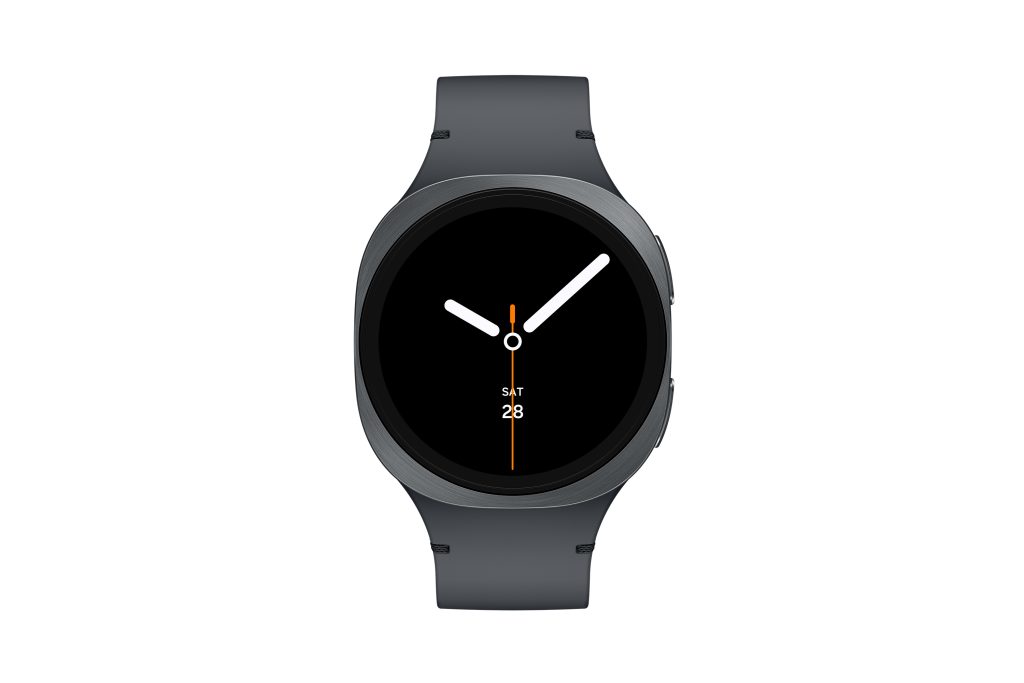
Samsung Galaxy Watch 8 (2025)