
I. Intro: Smartwatches – More Than Just Telling Time
The humble wristwatch, once a mere time-telling device, has morphed into a digital Swiss Army knife strapped to our wrists. We’re bombarded with notifications, track our steps, and even pay for coffee with a flick of the wrist. But beneath the surface of convenience lies a more profound question: can these ubiquitous devices truly aid in physical and mental recovery? Can a smartwatch be more than a pedometer with benefits?
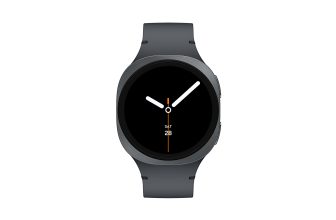
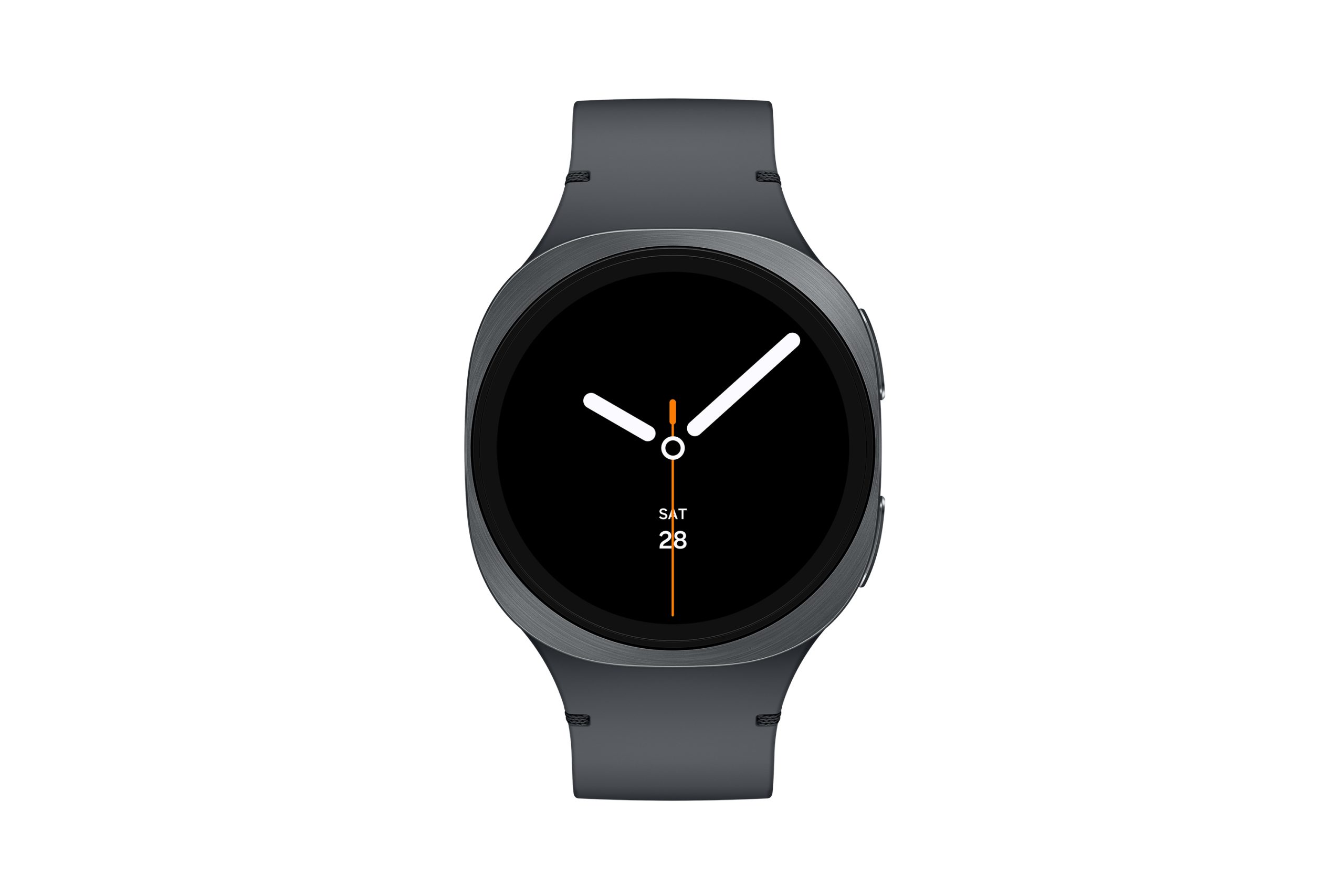
Today, we pit two titans against each other in a contest of recovery prowess: the brand-new Samsung Galaxy Watch 8, fresh from its July 2025 release, and the venerable Fitbit ecosystem, a seasoned veteran in the health-tracking game. Which one deserves a spot on your wrist as you navigate the challenging, but ultimately rewarding, road to recovery?
II. The Legacy of Health Tech: A Blast from the Past
Let’s rewind the clock. Fitbit, emerging in 2009, started with a simple premise: tracking steps. Remember those early clip-on devices? They were rudimentary, yes, but they ignited the spark of personal health tracking. From those humble beginnings, Fitbit blossomed into a comprehensive health suite, laying the groundwork for the wearable revolution we see today.
Samsung’s Galaxy Watch journey, commencing in 2014, took a different route. Initially focusing on basic heart rate monitoring, the Galaxy Watch evolved into a technological showcase, culminating in the marvel that is the BioActive sensor. Along the way, we saw innovations like ECG, blood oxygen monitoring, and even body composition analysis – all packed into a sleek wrist-worn device. And now, AI is in the mix, promising personalized insights that go beyond simple data.
While both brands initially targeted general fitness, they inevitably stumbled into the realm of rehabilitation. The potential for tracking progress, monitoring vital signs, and providing motivation proved too compelling to ignore.
III. The Contenders: Feature Face-Off for Recovery
- Samsung Galaxy Watch 8: The AI-Powered Innovator
Beneath its polished exterior, the Galaxy Watch 8 packs a serious punch. The BioActive sensor is the star of the show, continuously monitoring heart rate, and offering on-demand ECG, blood pressure, SpO2, body composition, and even skin temperature readings.
But the real game-changers for rehabilitation lie in its AI-powered capabilities. Imagine a personalized Running Coach gently guiding you back to your pre-injury form, or a Sleep Coach dissecting your sleep patterns and suggesting strategies for optimal recovery. Vascular Load – a measure of stress on your arteries during sleep – offers a glimpse into the body’s nocturnal recovery processes. And then there’s the Antioxidant Index, purportedly gleaned from your skin, offering insights into diet and healthy aging. It’s a bold claim, isn’t it?
The Galaxy Watch 8 also dives deep into sleep analysis, distinguishing between sleep stages and even detecting potential sleep apnea. The “Bedtime Guidance” feature promises to curate the ideal sleep enviro - nment for maximum restorative benefit. Let’s not forget the safety net of fall detection and SOS capabilities, crucial for users who may be vulnerable.
However, caveats abound. Samsung is quick to emphasize that the Galaxy Watch 8 is not a medical device. Are some of these new features, particularly the Antioxidant Index, more “gimmick” than genuine insight? Some experts raise a skeptical eyebrow. And the familiar frustrations of app juggling and limited compatibility with non-Samsung phones persist. - Fitbit: The Established Recovery Ally
Fitbit, now under Google’s wing, boasts a more established presence in the rehabilitation landscape. Its core strengths lie in comprehensive activity tracking, continuous heart rate monitoring, advanced sleep metrics, and stress management, the latter facilitated by the EDA sensor on the Sense model.
Fitbit’s “rehab-ready” features shine due to their proven track record. Fitbit devices have been used in numerous studies spanning cardiac, stroke, pulmonary, and pain rehabilitation, demonstrating their value in real-world clinical settings. The Daily Readiness Score offers a simple, yet effective, guide: “Should I work out today, or prioritize rest?”
Strategic partnerships further bolster Fitbit’s recovery credentials. By linking users in addiction recovery to caregivers via Pretaa, and providing post-surgery care support through collaborations with Manipal Hospitals, Fitbit extends its reach beyond the individual user.
Furthermore, the Fitbit app excels at setting achievable goals and visually displaying progress, a powerful motivator for individuals undergoing rehabilitation.
However, Fitbit is not without its drawbacks. Accuracy concerns, especially at slow speeds or during high-intensity activities, remain a persistent issue. The subscription paywalls for premium features can feel restrictive. And some lament the lack of a dedicated “rehab mode” within the app. And with Google now in charge, the question lingers: how will this acquisition impact the brand’s identity and future direction?
IV. The Verdict: Which Watch Wins Your Recovery Journey?
If you’re drawn to the cutting edge, intrigued by AI-powered insights (even if they are still in their nascent stages), and are already deeply embedded in the Samsung/Android ecosystem, the Galaxy Watch 8 may be your device of choice.
However, if you value a proven track record in various rehabilitation settings, seek a user-friendly app for general activity and sleep tracking, and appreciate integration with specialized recovery programs, Fitbit remains a compelling option. It offers a reliable and accessible entry point into the world of wearable-assisted recovery.
It is imperative to remember this: Neither the Galaxy Watch 8 nor Fitbit is a substitute for professional medical advice.
V. Beyond the Wrist: The Future of Wearable Rehab
Samsung’s vision extends far beyond the current capabilities of the Galaxy Watch. Imagine even smarter AI, capable of delivering hyper-personalized insights, predicting potential health issues, and even detecting conditions like depression.
Patents hint at future sensors capable of tracking dehydration levels, improving sleep disorder diagnoses, and even assessing calorie intake. Could we be on the cusp of a truly holistic understanding of our bodies through wearable technology?
And then there’s the metaverse. Samsung has patented concepts for VR-based rehabilitation programs and even wearable exoskeletons, blurring the lines between the physical and digital worlds.
Fitbit, under Google’s guidance, is charting its own course toward the future. The integration of Gemini AI promises an “AI Coach 2.0,” a truly adaptive and personalized “fitness trainer, sleep coach, and wellness advisor.”
New hardware is also on the horizon, including smart rings, improved blood pressure monitoring capabilities, and enhanced sensors on future Pixel Watches. The integration of data from Health Connect/HealthKit promises a more holistic view of individual health.
However, the “Google question” looms large. Will Fitbit’s unique identity be absorbed into the larger Google ecosystem? What will this mean for loyal Fitbit users and, perhaps more importantly, for data privacy?
Across the industry, the wearable health tech market is booming, fueled by a growing demand for personalized health insights. The push for clinical validation is intensifying, as is the ongoing debate between consumer convenience and medical-grade accuracy.
VI. Conclusion: Your Body, Your Choice, Your Recovery
In the context of rehabilitation, the Galaxy Watch 8 offers a glimpse into the future of AI-powered, personalized health tracking. Its cutting-edge sensors and ambitious AI algorithms provide a wealth of data and potentially actionable insights.
Fitbit, on the other hand, provides a more established and accessible path to recovery, with a proven track record in various clinical settings and a user-friendly app that encourages consistent engagement.
Ultimately, the choice is yours. Remember to seek professional medical advice to create a comprehensive rehabilitation plan. What matters most to your recovery journey? Is it the allure of cutting-edge data? The guidance of AI-powered coaching? Or the simplicity and reliability of a proven system?
Which smartwatch do you think is better for rehabilitation? Share your thoughts in the comments!
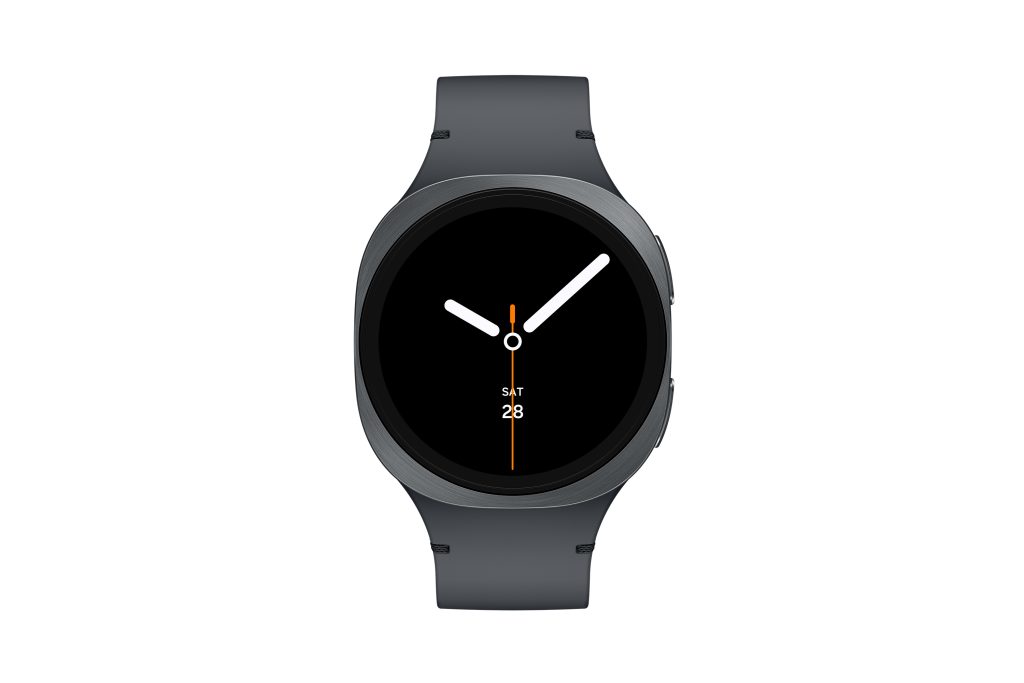
Samsung Galaxy Watch 8 (2025)