
I. Introduction: The Smartwatch is Getting Serious
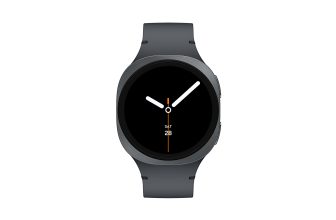
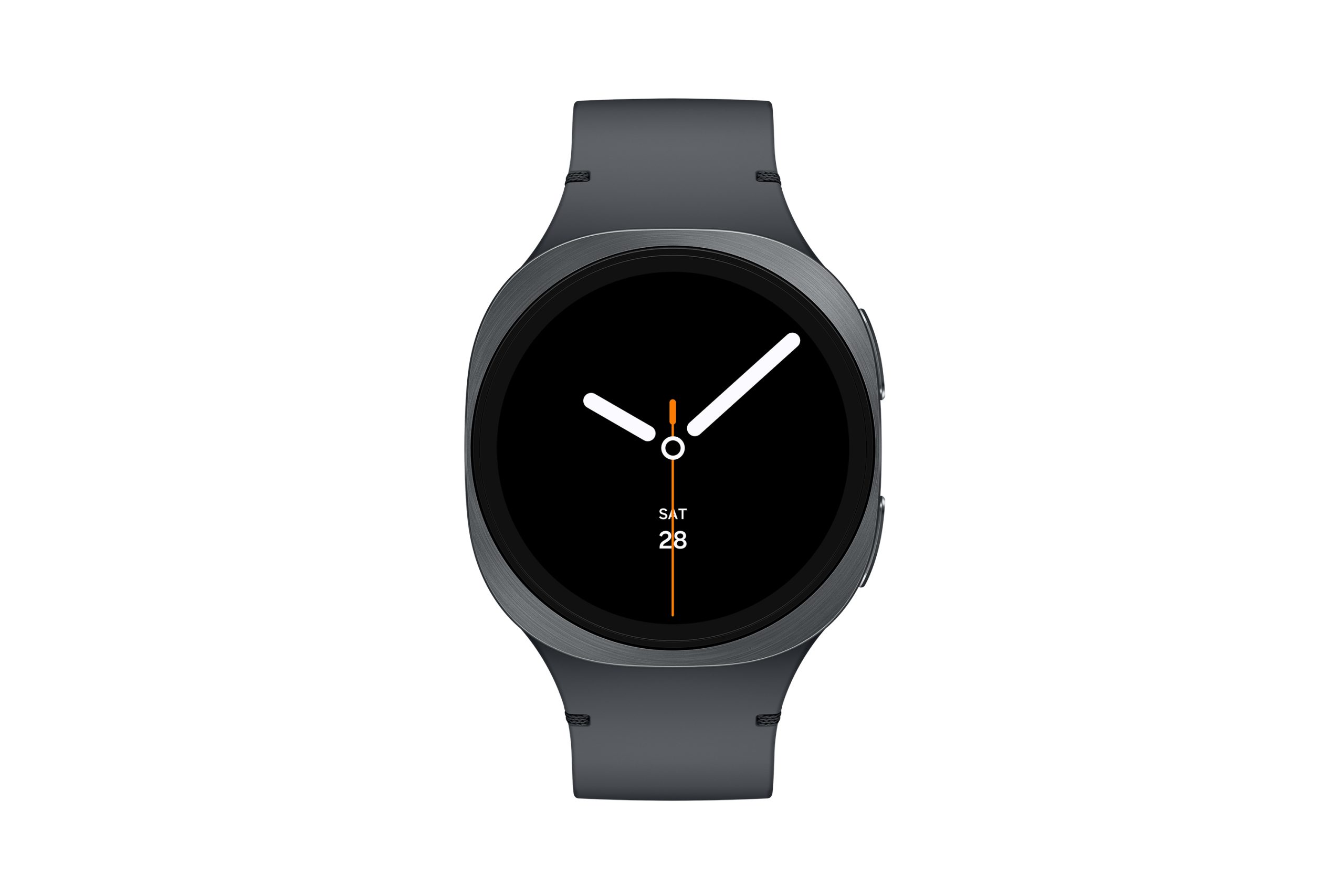
The humble smartwatch, once a mere pedometer glorified, is undergoing a metamorphosis. No longer content with simply counting steps, devices like the Galaxy Watch 8 are quietly amassing an arsenal of health-tracking capabilities, transforming from simple accessories into potential allies in our well-being. But a question lingers, a question of considerable import: can a device strapped to your wrist truly augment the efforts of a skilled physical therapist, guiding you on your path to recovery? The answer, as always, is nuanced. It’s not a magic bullet, but a potent instrument poised to reshape the landscape of rehabilitation, albeit with certain caveats we must acknowledge.
II. The Galaxy Watch 8: More Than Just a Pretty Face for Your Wrist
The Galaxy Watch 8, while not explicitly marketed as a physical therapy device, harbors a suite of features that might elicit a knowing nod from your therapist. It’s a collection of capabilities that, when viewed through the lens of rehabilitation, reveal a potential far exceeding its consumer-grade origins.
A Deep Dive into its “Superpowers” (for PT)
- Accuracy Matters: The redesigned “Cushion Design” and “Dynamic Lug System” might seem like mere aesthetic flourishes, but they serve a crucial purpose: minimizing movement and maximizing data fidelity. In the realm of health tracking, precision is paramount.
- The BioActive Brain: Embedded within its sleek exterior lies a “BioActive Brain,” capable of capturing a range of vital signs. Electrocardiogram (ECG), heart rate monitoring, and blood pressure tracking (after initial calibration, of course) offer a constant stream of physiological data, literally at your fingertips.
- New Kid on the Block Metrics: The Watch 8 ventures beyond the conventional, introducing novel metrics that offer intriguing insights:
- Antioxidant Index: A quick five-second assessment of your “healthy aging” levels, a metric that, while perhaps not definitive, offers a glimpse into your body’s cellular resilience.
- Vascular Load: Delving into the often-overlooked realm of sleep, it assesses the stress placed on your heart during slumber, providing clues about your circulatory health.
- Energy Score: An AI-powered barometer of your daily “oomph,” helping you discern whether you’re primed for a strenuous workout or in need of restorative rest.
- Sleep Like a Pro: The importance of sleep for recovery cannot be overstated. The Galaxy Watch 8 boasts advanced sleep tracking, personalized coaching, the ability to detect potential sleep apnea patterns, and “Bedtime Guidance” tailored to your individual body clock. Recovery, as they say, begins in bed.
- Your Personal Trainer (and PT assistant): The device aspires to be more than just a passive observer, actively assisting in your fitness journey:
- AI-Powered Running Coach: Assessing your current fitness level, constructing bespoke training regimens, and providing real-time guidance, even scrutinizing your running form for asymmetries.
- Body Composition Analysis (BIA): A quick and convenient snapshot of your body’s composition – muscle mass, fat percentage, water content – empowering you to target your training with greater precision.
- Personalized Heart Rate Zones are now available for optimized workouts.
- Stress Buster: Recognizing the inextricable link between mental and physical well-being, it incorporates a mindfulness tracker and issues “High Stress Alerts,” reminding you to pause and recalibrate.
Real-World Validation: Studies suggest that the Galaxy Watch 8 exhibits impressive accuracy in its measurements of heart rate, sweat loss, VO2 max, and body fat, often rivaling clinical-grade tools.
How it Fits in PT Today: The potential applications within physical therapy are manifold: remote monitoring of patients, personalized rehabilitation programs, proactive injury prevention strategies, and holistic wellness management.
III. A Walk Down Memory Lane: How Wearables Got “Smart” for Therapy
To truly appreciate the Galaxy Watch 8’s potential, one must consider the trajectory of wearable technology, a journey that stretches back centuries.
- From Fashion to Function: The concept of wearable technology is not a recent invention. Consider the functional jewelry of the past, or the 16th-century pocket watch, a portable timekeeping device that marked a significant step forward.
- The Time-Tellers Turn Techy: The wristwatch, once a symbol of status, became increasingly ubiquitous. Then, the advent of digital watches in the 1970s, with their integrated calculators, heralded a new era of miniaturization and functionality.
- The “Quantified Self” Awakening (Early 2000s): The early 2000s witnessed the emergence of the “quantified self” movement, spearheaded by devices like the Fitbit and Nike+ FuelBand. Suddenly, tracking steps, calories, and sleep patterns became commonplace.
- The Smartwatch Era (2010s): The 2010s ushered in the era of the smartwatch, with the Pebble and later the Apple Watch bringing smartphone functionality to the wrist, further popularizing health tracking among mainstream users.
- The PT Revolution: This steady evolution paved the way for a transformation in physical therapy, enabling data-driven, precise, and efficient care, extending beyond the confines of the clinic.
- The rapid adoption of these devices, with smartwatch ownership in US households jumping from 16% to 29% in a single year, underscores their growing influence.
IV. The PT & Patient Report Card: Love It, But…
The integration of smartwatches into physical therapy is not without its complexities. While the potential benefits are undeniable, certain challenges and concerns warrant careful consideration.
Why Therapists are (Mostly) Cheering:
- Engagement Supercharger: Gamification, reminders, and progress tracking can significantly enhance patient engagement, leading to improved adherence to prescribed exercise regimens (often by 30-40%).
- Remote Rulers: Therapists can remotely monitor patient progress, identify potential issues, and adjust treatment plans without requiring constant in-person visits, potentially leading to better patient outcomes (up to 30% improvement).
- Objective Truth: Objective data obtained from smartwatches can provide a more accurate picture of a patient’s activity levels and physiological responses, reducing reliance on potentially biased self-reported information.
Why Patients are On Board:
- Empowerment: Real-time feedback and visible progress can empower patients to take an active role in their recovery.
- Convenience: Remote monitoring can make therapy more accessible, particularly for individuals in rural areas or with mobility limitations.
- Better Communication: Quick surveys on pain and activity levels facilitate faster and more responsive communication between patients and therapists.
The “But…” – The Hiccups and Headaches:
- Accuracy Anxiety: The accuracy of consumer-grade smartwatches remains a concern. Inconsistent readings can lead to frustration and a potential abandonment of the device.
- Privacy Panic: The collection and storage of sensitive health data raise legitimate privacy concerns. Questions about data ownership, third-party access, and the potential for data breaches must be addressed.
- Integration Installation: Integrating smartwatch data seamlessly into existing clinic software systems (EHRs) can be technically challenging.
- The Digital Divide: Not everyone is tech-savvy, and complex interfaces can be a barrier for some users. The comfort and suitability of different devices can also vary considerably.
- Over-reliance: An over-reliance on data, divorced from clinical judgment, can lead to “pathologic symptom monitoring” or overshadow professional advice.
V. Smartwatch Shenanigans: The Controversies You Need to Know
The increasing sophistication of smartwatches has also given rise to a number of controversies that demand careful consideration.
The Heart of the Matter (Literally):
- Concerns have been raised about the potential for bioimpedance sensors to interfere with pacemakers or other cardiac devices. Studies suggest that such interference is possible, potentially exceeding safety guidelines.
The “Snake Oil” Factor:
- Exaggerated marketing claims can lead to self-diagnosis, unhealthy behaviors (such as over-exercising), or a false sense of security. Some individuals may even develop health anxiety as a result of excessive monitoring.
Ethical Tightropes:
- Informed Consent: Do users truly understand how their data is being used and shared by third parties?
- Vulnerable Populations: Are we inadvertently excluding the elderly, disabled, or less tech-literate from the benefits of this technology?
- PT’s New Rules: How do therapists uphold ethical standards (privacy, honest communication) in a rapidly evolving technological landscape?
Data’s Dark Side (Privacy & Accuracy Revisited):
- Selling Your Sleep: There have been reports of companies selling user data without explicit consent.
- Racial Disparities: Optical sensors may exhibit reduced accuracy on darker skin tones, raising equity concerns regarding data accuracy.
- Regulatory Lag: Existing laws, such as HIPAA, may not fully encompass consumer wearables, leaving potential regulatory gaps.
VI. Beyond Tomorrow: What’s Next for Your Wrist (and Your Recovery)?
The future of wearable technology in physical therapy is brimming with possibilities.
- AI Takes Center Stage: Expect a shift from basic tracking to AI-powered, hyper-personalized rehab plans that adapt dynamically to your progress.
- Smarter Sensors, Everywhere: The future may see a move beyond wrist-worn devices to “smart clothing” and full-body sensor networks, providing incredibly precise data on gait, posture, and muscle activity.
- Therapy, Reimagined (VR/AR): Immersive virtual reality games and augmented reality overlays promise to make rehabilitation more engaging and even enjoyable.
- Closed-Loop Healing: Imagine a device that provides instantaneous, automated feedback to correct your form, preventing injury and accelerating recovery in real-time.
- Predictive Power: AI algorithms will be able to forecast recovery trajectories, identifying potential issues before they manifest.
- Robotics & Advanced Diagnostics: Seamless integration of robotics and advanced diagnostics will enable even more precise and automated therapies.
- Accessibility Boom: As technology matures, expect more affordable and user-friendly options to become available to a wider audience.
VII. Conclusion: The Future is on Your Wrist (With a Little Help)
The Galaxy Watch 8 exemplifies the potential of consumer technology to bridge the gap between the clinical setting and the patient’s home environment. It offers immense potential for personalized, engaging, and effective physical therapy. However, realizing this potential requires addressing the challenges related to accuracy, privacy, and usability. The ultimate goal is a future where technology empowers both therapists and patients, paving the way for a smoother, smarter, and more accessible path to recovery.
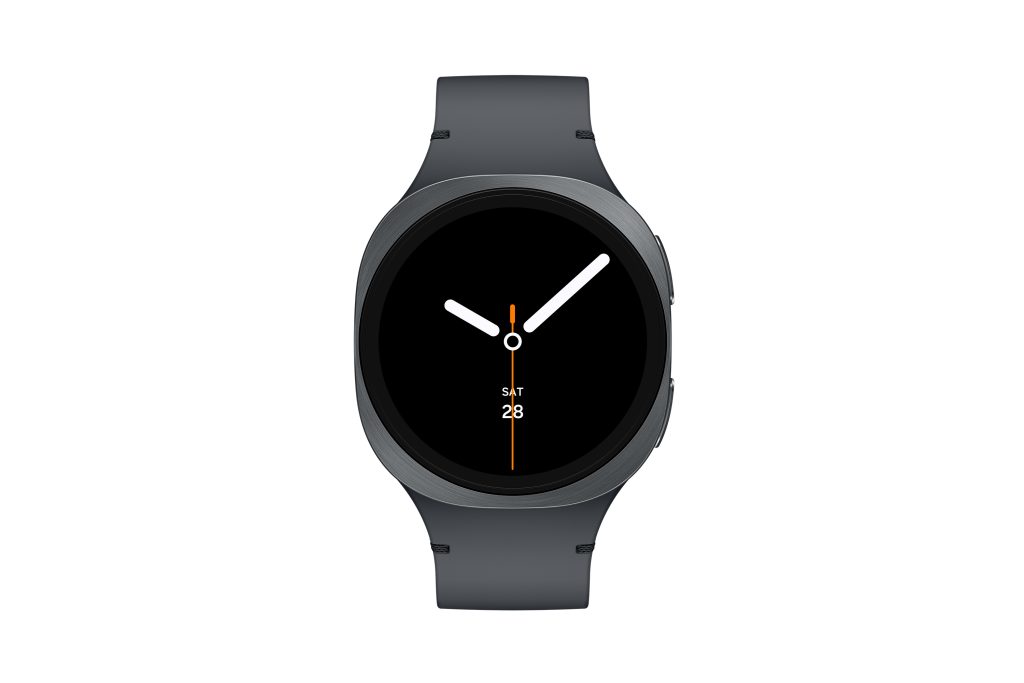
Samsung Galaxy Watch 8 (2025)