
I. Intro: Beyond the Steps – Why Your Wrist Might Be a Game-Changer
Smartwatches. They’re plastered on wrists everywhere, blinking with notifications, counting steps. But I find myself wondering, are they just glorified pedometers, or could they be something more, something genuinely useful in a clinical setting? Could the Galaxy Watch 8, with its arsenal of sensors, become a valuable tool for physical therapists like yourself, aiding in rehabilitation and wellness?
The buzz around the Galaxy Watch 8 is undeniable. It’s dripping with health tech. But let’s cut through the marketing speak and really unwrap what this means for your practice. My intention here isn’t to blindly sing its praises, but to translate the tech jargon into practical insights, exploring its potential – and limitations – within the nuanced world of rehabilitation.
II. A Walk Down Memory Lane: How Smartwatches Got “Smart” for Your Health
It’s easy to forget that these devices evolved. The Samsung Galaxy Watch lineage didn’t spring into existence fully formed. It’s worth a quick detour into the past to understand just how far we’ve come.
In the early days, it was all about basic activity tracking: steps, heart rate, maybe a rudimentary sleep analysis. Nice to have, perhaps, but hardly a revolution for clinical practice. Then came the BioActive leap, from the Galaxy Watch 4 onwards. Suddenly, we had ECG functionality, blood pressure monitoring (albeit with caveats), and even body composition analysis squeezing onto our wrists.
But I believe the true paradigm shift is happening now, with the infusion of AI in the Galaxy Watch 6, 7, and now 8. Personalized coaching, deeper insights gleaned from complex data sets, and the tantalizing promise of anticipating individual needs. It’s a move beyond mere data collection towards something more… predictive, and potentially, preventative.
III. The Galaxy Watch 8’s Health Powerhouse: What’s Inside?
So, what exactly does this “powerhouse” offer? Let’s start with the core kit – the essentials that any health enthusiast (or, indeed, your patients) would expect.
We’re talking about continuous heart rate monitoring, blood oxygen (SpO2) tracking, and even the ability to take an ECG directly from the wrist. Essential tools for keeping an eye on cardiovascular health. Then there’s the activity and exercise tracking, which goes beyond simple step counting. The Watch 8 purportedly detects *how* you move across over 90 different activities. As a PT, think of the possibilities for analyzing movement patterns and adherence to prescribed exercises. And let’s not forget sleep tracking and coaching – because we all know that recovery starts the moment our patients close their eyes. Rounding it out is stress management, with breathing exercises and mood logging designed to capture a more holistic picture.
But the real intrigue, at least for me, lies in the next-generation metrics and AI smarts. Here’s where the Galaxy Watch 8 truly attempts to step up its game. Take the “Energy Score,” for example. It promises an AI-powered snapshot of a patient’s physical and mental readiness for the day. Then there’s the Running Coach, offering personalized training plans and injury prevention tips. For gait retraining, this could be a fascinating tool. The Body Composition Analysis (BIA) offers objective progress tracking by measuring muscle mass and body fat. Vascular Load monitors vascular stress during sleep, offering a glimpse into overall cardiovascular health. And, for those interested in nutrition, the Antioxidant Index offers a quick check on carotenoid levels, potentially encouraging healthier eating habits. Samsung has even focused on improving the physical comfort of the watch, improving sensor accuracy with a comfy, stable “Cushion Design.”
IV. Your Practice, Supercharged: How PTs Can Leverage the Galaxy Watch 8
The sheer volume of data that the Galaxy Watch 8 collects presents both a challenge and an opportunity. How do we distill this information into actionable insights that benefit our patients?
The key, I believe, lies in understanding how to leverage this “data donut.” Remote monitoring allows you to check in on activity levels, heart rate, and adherence to home exercises even *outside* the clinic. Personalized programming becomes more refined, using data like heart rate zones to tailor safe and effective exercise intensities. This constant feedback loop can boost motivation and engagement. Think virtual coaching nudges, delivered via haptic feedback. Body composition tracking gives you a robust way to measure changes in muscle and fat as key indicators of rehabilitation success. It even enables to identifying sleep issues that could be hindering physical recovery.
But is the Galaxy Watch 8 reliable enough for professional use? The accuracy reports are generally encouraging. Studies suggest high correlation for heart rate (around 90% when compared to ECG during running), body fat percentage (95% correlation with DEXA scans), and GPS tracking. VO2 max, is a bit lower at 82%. However, the takeaway is clear: the watch performs impressively, but should still be considered a tool for wellness monitoring rather than definitive diagnostic purposes.
V. Reality Check: What the Galaxy Watch 8 *Isn’t* (and Where It Stumbles)
Here’s where the intellectual musing shifts to pragmatism. It’s absolutely crucial to remember the big disclaimer: the Galaxy Watch 8 is *not* a medical device. It lacks the rigorous regulatory approvals that define medical-grade equipment. There’s a world of difference between FDA “clearance” and “approval,” and as PTs, we need to be acutely aware of this distinction.
Battery life remains a perennial issue. While improvements have been made, the reality is that continuous tracking often necessitates daily charging. Then there are the inevitable feature quirks and frustrations. The blood pressure monitoring, for example, requires regular calibration with a traditional cuff. The running coach, can be a little too rigid, miscategorizing experienced runners as beginners. Some users find finger placement tricky for accurate body composition readings. The app sprawl – managing health data across multiple Samsung apps – can be cumbersome. The advanced features play best within the Samsung ecosystem.
And, beyond the specifics of the Galaxy Watch 8, lie wider, more fundamental concerns about consumer-grade wearables. We need to be mindful of proprietary algorithms and the challenges they present for data access and independent research. There’s the potential for false positives and over-notification, which could inadvertently contribute to health anxiety. And it’s important to acknowledge that accuracy can be affected by intense workouts, skin tone, or even improper wearing.
VI. Peeking into Tomorrow: The Future of Wearable Tech in PT
Despite these caveats, I remain cautiously optimistic about the future of wearable tech in our field. I believe we’re on the cusp of even smarter AI and deeper insights.
Expect to see more advanced sleep analysis, delving into metrics like movement patterns, respiratory rate, and sleep latency. We may also see integration of functional threshold power (FTP) for cyclists and aerobic/anaerobic thresholds for runners. The development of holistic health indexes, moving beyond individual metrics to provide a more comprehensive assessment of overall well-being, is another area to watch.
Beyond the wrist, the future might bring integration with smart mattresses and more seamless remote monitoring platforms. Crucially, there’s ongoing research into how wearables can track and support mental well-being, recognizing the vital connection between mental and physical recovery. And I anticipate a continued expansion of the ecosystem, with more third-party app integration, transforming the smartwatch into a truly versatile platform.
VII. The Verdict for Physical Therapists: A Powerful Partner, With Caveats
So, where does this leave us? The Galaxy Watch 8 offers an unparalleled suite of wellness features that can significantly *complement* physical therapy. It’s a tool for patient engagement, promoting adherence, and facilitating self-monitoring. It is a data provider, not a diagnostician. Your expertise remains invaluable for interpretation and treatment.
The technology is evolving rapidly, promising even more sophisticated support for rehabilitation in the future. Stay tuned. This is just the beginning of an exciting journey.
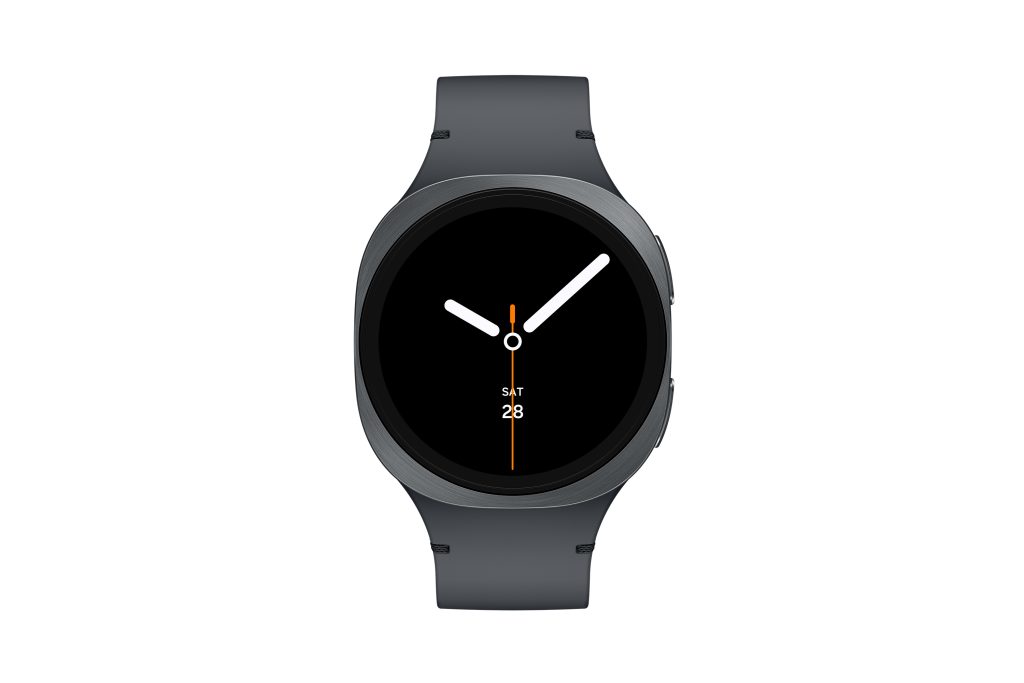
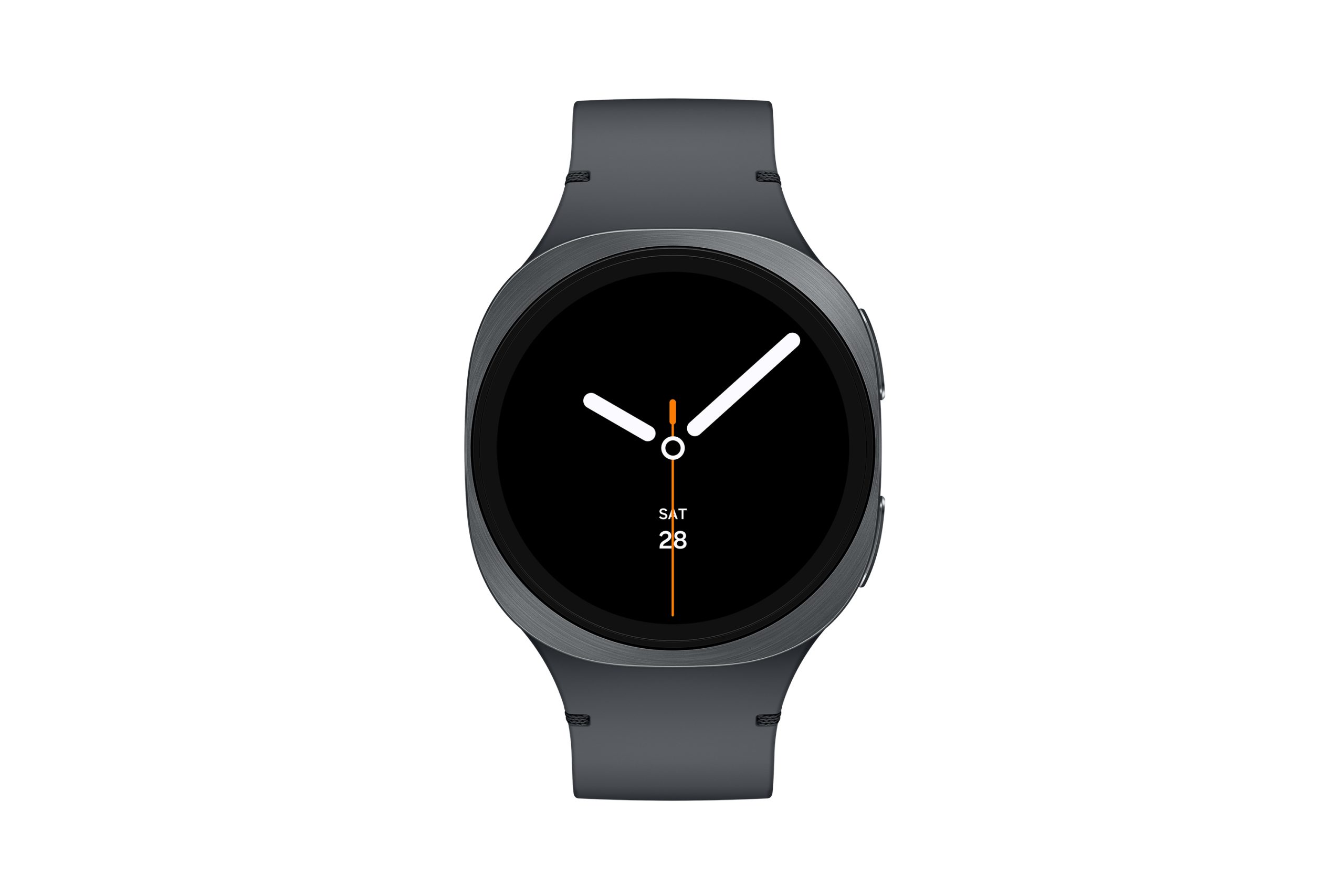
Samsung Galaxy Watch 8 (2025)