
I. Introduction: The Wearable War Just Got Hotter!
Samsung Galaxy Watch 8 (2025)
Ah, the relentless dance of technology! Each year, the giants of the smartwatch world, Samsung and Apple, return to the arena, gladiators of gadgetry. This isn’t just about telling time; it’s a battle for your wrist, a competition for your data, and a glimpse into the future we’re strapping on our bodies.
Meet the contenders: Samsung’s freshly unveiled Galaxy Watch 8 series, a trio of tech – the standard Watch 8, the Classic, and the Ultra 2025. Facing them is Apple’s sleek, sophisticated Apple Watch Series 10, a decade in the making.
New designs, smarter AI, cutting-edge health insights… both promise a revolution. But promises, like pixels, can be deceiving. Which one truly earns its place? Let’s delve into the labyrinth of features and controversies to unearth the truth.
II. A Stroll Through Smartwatch History: How We Got Here
Before we dissect the present, let’s glance back at the winding paths that led us here. The smartwatch, after all, isn’t some overnight sensation, but the product of years of evolution, experimentation, and the occasional stumble.
Apple’s journey began with the Apple Watch as more of a fashion statement, a tech accessory draped in aspiration. Yet, it quickly morphed, adding GPS, cellular connectivity, and health sensors like ECG and fall detection. The rugged Ultra line signaled a commitment to serious fitness enthusiasts. Throughout, the core “squircle” design (rectangular with rounded corners) has remained remarkably consistent, a testament to Apple’s design philosophy.
Samsung’s tale is one of adaptation. From the early days of the Tizen OS to the crucial partnership with Google and Wear OS, they’ve constantly iterated. The rotating bezel, a tactile delight, became a signature. Now, the company embraces the “squircle” with its Ultra and Watch 8 series, signaling a willingness to challenge the status quo.
III. The Main Event: Feature-for-Feature Face-Off!
A. Design & Display: Style vs. Substance?
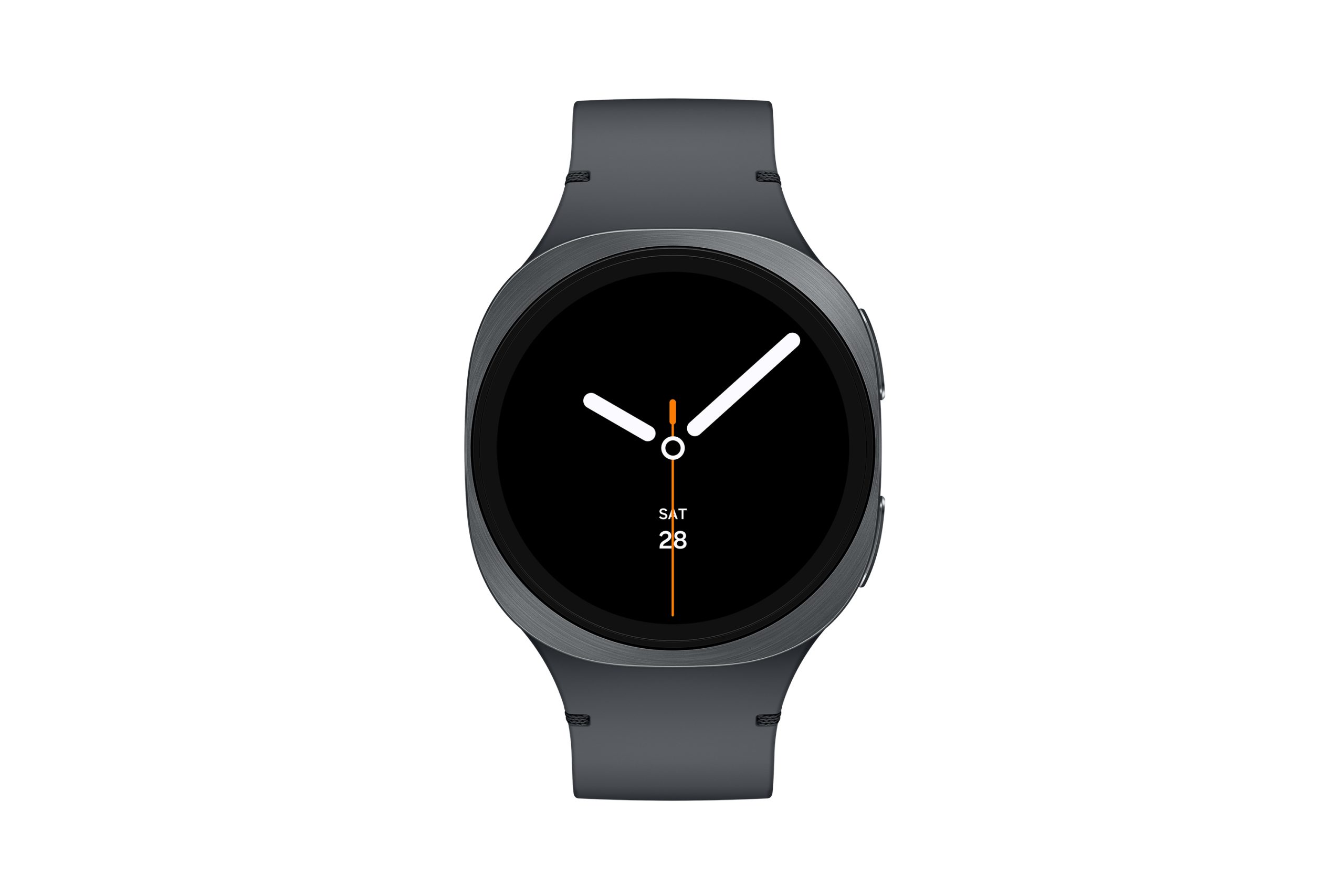
The Galaxy Watch 8 series makes a bold statement with its embrace of the “squircle.” A circular display nestled within a squarish frame, clearly influenced by the Ultra. It’s a design choice that elicits strong reactions. The Classic variant marks the return of the beloved physical rotating bezel, a feature many traditionalists have sorely missed. Material choices are premium: aluminum for the Watch 8, stainless steel for the Classic, and titanium for the Ultra 2025, all shielded by sapphire glass. And brightness? A dazzling 3,000 nits peak.
The Apple Watch Series 10, conversely, refines its existing form. Apple touts it as their thinnest watch yet, with larger casings (42mm, 46mm) and slimmed-down bezels maximizing screen real estate. The curved display persists, defying earlier rumors of a flat redesign. Titanium replaces stainless steel as a premium material, alongside aluminum. The upgraded LTPO3 OLED boasts wider viewing angles and a 40% brightness boost (up to 2000 nits, with the Ultra 2 matching Samsung’s 3000 nits). And the 1Hz Always-On Display allows for a perpetually visible ticking second hand.
So, which wins the aesthetic battle? Is it the classic elegance of the rotating bezel, the understated refinement of Apple’s design, or the conversation-starting “squircle” of the Galaxy Watch 8? Design, as always, is a matter of the soul, a subjective response to form and function.
B. Power & Endurance: Under the Hood Battle
Beneath their sleek exteriors lie the engines that drive these devices. The Galaxy Watch 8 series is powered by the familiar 3nm Exynos W1000 chip, paired with 2GB of RAM. Storage sees a welcome increase: 32GB for the Watch 8, 64GB for the Classic and Ultra. Battery capacities receive a modest boost, but Samsung’s claims of 1-1.5 days for the Watch 8/Classic and 2-3 days for the Ultra suggest that daily charging remains the norm for most users.
Apple’s Series 10 features the new S10 chip, optimized for performance and poised for future AI applications. Apple maintains its claim of 18 hours of battery life (36 in Low Power Mode), with faster charging (80% in ~30 min). The ability to gain 8 hours of sleep tracking from an 8-minute charge is a clever trick.
Samsung offers more storage, but Apple’s S10 is geared towards future AI capabilities. Both remain largely “daily charge” devices, with the Ultra models standing out for their extended endurance.
C. Health & Fitness: Your Personal Wellness Guru
The Galaxy Watch 8 series embraces AI with Wear OS 6 and One UI 8 Watch integration, powered by Gemini AI, promising smarter voice commands and seamless app integration. Prepare for a wave of new health metrics: the “Antioxidant Index” (measuring skin carotenoid levels!), “Bedtime Guidance” for optimal sleep, and “Vascular Load” for heart health. FDA-approved sleep apnea detection and an AI Running Coach add to the arsenal. However, it’s essential to remember that certain advanced health features (like ECG, Blood Pressure) remain exclusive to Samsung phones.
The Apple Watch Series 10 introduces FDA-cleared sleep apnea detection. Built-in water temperature and depth sensors, coupled with a dedicated Tides app, cater to aquatic enthusiasts. Core health and safety features persist: ECG, fall detection, crash detection, enhanced sleep tracking, and the return of the blood oxygen sensor.
Both devices are undeniably health powerhouses, with Samsung making a strong push into AI-driven insights. Apple provides a robust, well-integrated system, while Samsung’s new metrics like the Antioxidant Index offer intriguing possibilities.
D. Pricing & Ecosystem: The Cost of Loyalty
The Galaxy Watch 8 series starts around $349.99 USD for the 40mm Watch 8, climbing to $499 for the Classic, and approximately €700 for the Ultra. It thrives within the Android ecosystem, particularly when paired with Samsung phones.
The Apple Watch Series 10 begins at $399 and remains exclusively for iPhone users.
The choice often boils down to your phone. Apple users have a clear path. Android users find a compelling, feature-rich option in Samsung, but should be mindful of Samsung-exclusive health features.
IV. Smartwatch Shenanigans: Unpacking the Controversies
Beyond the polished marketing and impressive features lies a murkier reality. Smartwatches, for all their benefits, are not without their share of controversies.
The “Big Brother” effect looms large. Both Apple and Samsung collect vast amounts of personal health, location, and behavioral data. This raises concerns about security, third-party sharing, and the potential for misuse. Samsung’s ChatGPT leak and general third-party health data breaches serve as stark reminders of the risks.
The accuracy of health tracking has also come under scrutiny. A class-action lawsuit alleges that Apple’s blood oxygen sensor provides inaccurate readings for darker skin tones, raising critical questions about health equity. Moreover, across both brands, users and studies have reported inaccuracies in calorie burn, sleep stage measurements, and GPS accuracy.
Greenwashing and “forever chemicals” cast a shadow on the industry. Smartwatches contribute to e-waste, and their production is resource-intensive. A German court recently ruled that Apple’s “carbon neutral” claims were misleading. A 2025 study revealed the presence of toxic PFAS in smartwatch bands, leading to a class-action suit against Samsung.
The upgrade treadmill, driven by difficult-to-repair designs, pushes users towards new purchases, exacerbating the e-waste problem. Apple’s patent battles, such as the Masimo lawsuit over blood oxygen sensors, add another layer of complexity.
Samsung faces specific challenges, including reports of skin irritation/burns and quality control issues like misaligned displays. The Galaxy Watch Ultra’s design has also drawn criticism for allegedly mimicking the Apple Watch Ultra.
Finally, the addictive nature of smartwatches warrants consideration. While they can filter notifications and reduce phone dependence, the constant alerts and gamified “rings” can create new anxieties and compulsions.
Samsung Galaxy Watch 8 (2025)
V. Glimpsing the Future: What’s Next for Smartwatches?
The future of smartwatches is brimming with possibilities. AI will play an increasingly central role, enabling more contextual interactions, personalized wellness tips, and seamless integration with our daily lives.
Non-invasive blood glucose monitoring remains the holy grail, promising a revolution in diabetes management. While both Apple and Samsung are actively pursuing this technology, it remains “many years away.”
Smarter health sensors are on the horizon, including blood pressure monitoring, improved accuracy, and new metrics like hydration and advanced stress tracking. The Apple Watch Series 11 (2025) is expected to reintroduce an activated blood oxygen sensor. Samsung is exploring the “Antioxidant Index” for personalized nutrition.
Display and battery breakthroughs, such as MicroLED displays and solid-state battery tech, promise brighter, more efficient screens and extended battery life. Enhanced connectivity, including 5G RedCap and satellite SOS, will further untether smartwatches from our phones. Software overhauls, featuring new UIs and customizable watch faces, will enhance the user experience.
VI. Conclusion: Your Wrist, Your Choice
The smartwatch market is dynamic and exciting. The Galaxy Watch 8 series and Apple Watch Series 10 are remarkable devices, each catering to distinct audiences.
Choose Apple if you’re an iPhone user who values seamless integration, a refined design, and a vast app ecosystem. The Series 10 is a well-rounded performer, while the Ultra 2 is a rugged companion for adventurers.
Choose Samsung if you’re an Android user seeking cutting-edge AI-powered health metrics and a choice in design. The Watch 8 Classic is a strong contender, and the Ultra 2025 offers premium durability.
The “smartwatch wars” ensure continued innovation, delivering increasingly powerful, smarter, and safer devices. Choose wisely, and embrace the future, one tap at a time.
Samsung Galaxy Watch 8 (2025)