Exploring the revolution of wearable health tech

I. Intro: Beyond Just Steps – Your Smartwatch, Your Health Coach
Remember those early smartwatches? Novelty devices that primarily told time and counted steps, perhaps nudging us to be a bit more active? How quaint. Now, brace yourselves, because we’re not just tracking steps anymore; we’re on the cusp of a revolution.
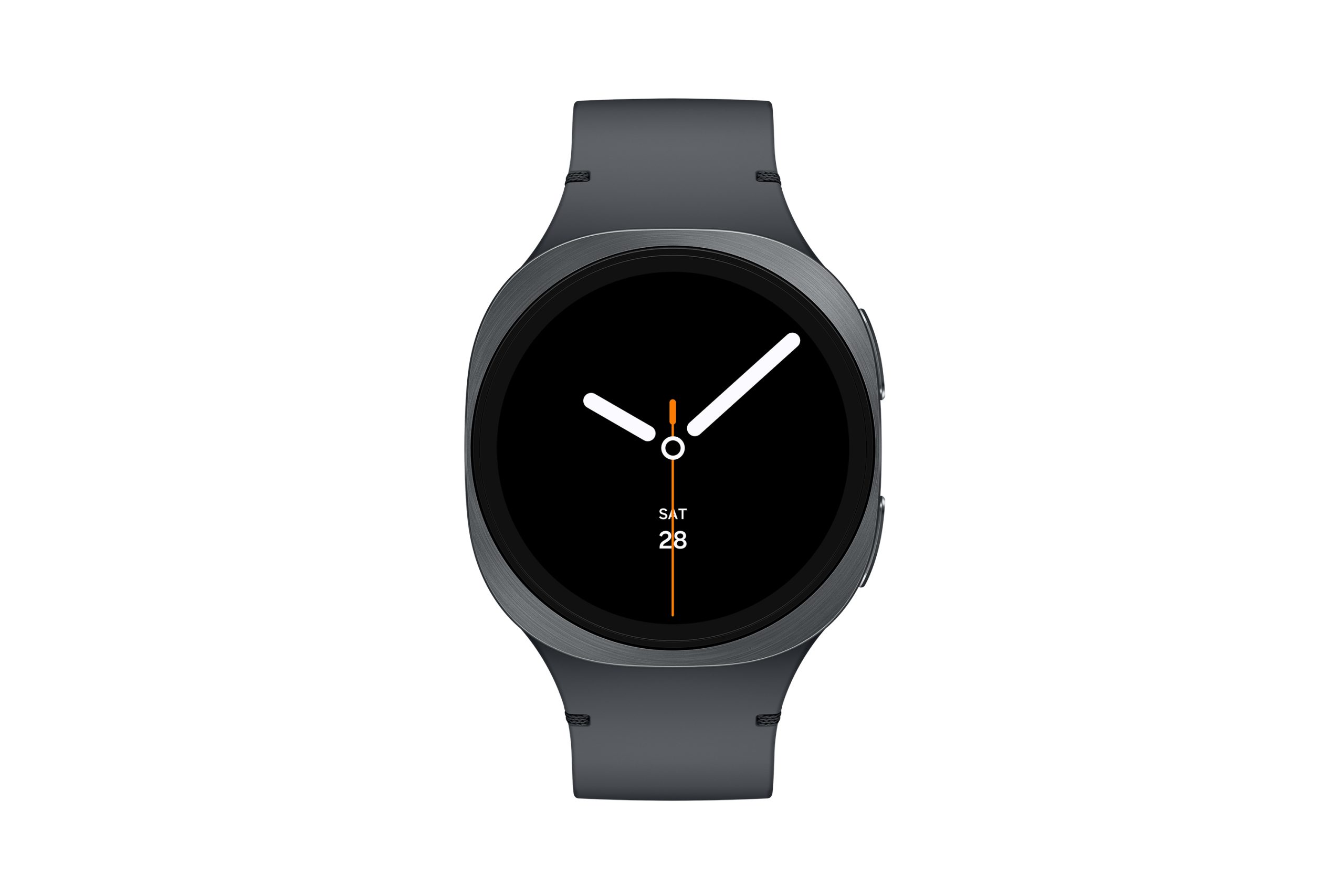
The Samsung Galaxy Watch 8 isn’t simply a gadget vying for wrist space. It’s quietly, yet powerfully, stepping into the role of a personal health guardian, particularly for those navigating the often-complex terrain of recovery.
In this exploration, we’ll delve into the trajectory of wearable health tech, from its somewhat surprising historical roots to the sophisticated capabilities of the Watch 8. We’ll examine how it’s shifting our focus from reactive to proactive healthcare, dissect the current buzz (and, crucially, the potential pitfalls), and speculate on what the shimmering horizon holds.
II. From Pocket Pedometers to ECGs: A Whirlwind Tour of Wearable Health History
The notion of wearable technology, surprisingly, isn’t a product of our hyper-connected age. Its genesis can be traced back centuries – one might even whimsically point to Leonardo da Vinci’s pedometer designs as a distant ancestor.
Of course, early “wearables” in the medical sphere were hardly fashion statements. Think of the groundbreaking, life-sustaining pacemakers of the 1950s or the bulky Holter monitors introduced in 1949, designed to capture continuous heart activity. These were serious tools addressing critical needs.
The fitness boom of the 80s and 90s injected a dose of consumer accessibility, with electronic pedometers and rudimentary heart rate monitors entering the scene. Health tracking began its slow march towards the mainstream.
Then came the dawn of the smartwatch era. Calculator watches tantalized us with wrist-borne computation as early as 1977, but it was the arrival of Fitbit, the Apple Watch, and Samsung’s original Galaxy Gear in 2013 that truly set the stage. Early iterations largely mirrored smartphone functions, gradually incorporating basic heart rate and sleep tracking.
Samsung’s evolutionary leap has been particularly striking. The Galaxy Watch series rapidly integrated features like ECG, blood pressure monitoring, and body composition analysis, spearheaded by the innovative BioActive Sensor in the Watch 4. It’s a testament to how swiftly this technology is advancing. The inclusion of FDA-cleared AFib detection marked a significant turning point, blurring the lines between consumer tech and genuine medical utility.
III. Galaxy Watch 8: Your Personal Recovery Sidekick (Packed with Tech!)
The Galaxy Watch 8 transcends the limitations of a mere timepiece; it’s engineered to provide a comprehensive, 360-degree view of your well-being – a perspective that’s particularly invaluable during periods of recovery.
Let’s dissect some of its key features:
- Heart-Smart Features:
- Enhanced ECG: Beyond basic rhythm monitoring, the Watch 8 is designed to detect subtle anomalies such as ectopic beats (those unsettling premature heartbeats), alongside its FDA-approved AFib detection capabilities.
- Blood Pressure on Your Wrist: Convenient monitoring of your blood pressure trends. However, remember that regular calibration against a traditional cuff is crucial for accuracy.
- Vascular Load (New!): This intriguing new feature aims to quantify the stress exerted on your blood vessels during sleep, potentially serving as an early warning system for cardiovascular health. The underlying mechanisms and long-term clinical significance warrant further investigation, but the potential is undeniable.
- Sleep Like a Pro:
- Deep Dive Sleep Analysis: The Watch 8 meticulously tracks various sleep stages, detects snoring patterns, and even purports to identify potential sleep apnea – a capability first introduced with the Watch 7. This level of detail can provide valuable insights into sleep quality and potential disturbances.
- Bedtime Guidance: Leveraging AI algorithms, the Watch 8 offers personalized bedtime suggestions based on your individual circadian rhythms.
- Personalized Coaching: Receive tailored tips aimed at optimizing your sleep environment and habits, ultimately promoting more restorative rest.
- Body & Beyond:
- Body Composition: A miniaturized smart scale residing on your wrist, providing estimates of muscle mass, body fat percentage, and hydration levels. While convenient, it’s essential to remember that these are estimations and may not match the precision of clinical-grade measurements.
- Antioxidant Index (New!): A quick scan designed to assess carotenoid levels in your skin, offering a glimpse into your dietary health and antioxidant defenses. This feature, while intriguing, requires further validation to establish its reliability and clinical relevance.
- Move Smart, Recover Strong:
- Activity Tracking: Precise monitoring of various activities, from walks and runs to cycling and swimming.
- Running Coach: Personalized training plans tailored to help you safely resume physical activity and rebuild strength during recovery.
- Daily Energy Score: A consolidated snapshot of your readiness level, factoring in sleep quality and activity levels.
- Mind & Mood:
- Stress Monitoring: Real-time alerts when stress levels spike, coupled with AI-powered wellness tips to facilitate decompression and promote emotional equilibrium.
- Safety Net:
- Fall Detection: Automatic alerts to emergency contacts or services in the event of a fall – a particularly valuable feature for individuals at risk of mobility issues or balance problems.
IV. The Verdict: What Doctors and Patients Really Think
The opinions surrounding the integration of smartwatches like the Galaxy Watch 8 into healthcare are multifaceted, reflecting both enthusiasm and pragmatic caution.
- Thumbs Up from the Medics (Mostly!):
- Remote Monitoring is a Game-Changer: Many physicians laud the potential of continuous data streams for managing chronic conditions, monitoring post-operative recovery, and overseeing long-term rehabilitation, such as in the wake of COVID-19.
- Early Warning System: The ability to detect abnormal heart rhythms or significant deviations in activity levels early on can potentially prevent more serious complications.
- Empowering Patients: Smartwatches can empower individuals by fostering a sense of control and motivation in their recovery journey.
- Rehab Ally: These devices can serve as valuable adjuncts to physical therapy, helping patients track progress and adhere to activity goals, particularly in conditions such as stroke recovery.
- Patient Power! (High Satisfaction):
- User-Friendly & Motivating: Many users find smartwatches intuitive and genuinely motivating for increasing physical activity and adhering to recovery protocols.
- Peace of Mind: Continuous monitoring can alleviate anxiety surrounding potential health complications.
- Active Participation: Patients feel more engaged and invested in their own healing processes.
- The “Hold On a Sec” Concerns:
- Not a Doctor (Yet!): Medical professionals stress that these devices are not substitutes for clinical-grade diagnostic tools. Accuracy can vary, particularly during intense physical activity or for specific metrics like blood pressure, which requires periodic calibration.
- Data Overload & Integration Headaches: The sheer volume of data generated by smartwatches can be overwhelming for physicians. Furthermore, seamless integration of this data into electronic health records remains a significant challenge.
- “Am I Sick?” Anxiety: Excessive data monitoring can inadvertently lead to unnecessary anxiety or misinterpretation of results.
- Privacy & Cost: Concerns surrounding data security and the affordability of this technology remain pertinent.
V. The Fine Print & Fair Play: Controversies, Limitations, and Ethical Crossroads
The integration of smartwatches into healthcare raises several crucial considerations that demand careful scrutiny.
- The Accuracy Debate:
- Consumer vs. Clinical: A fundamental distinction must be made between consumer-grade wellness devices and clinically validated diagnostic tools. The Galaxy Watch 8 excels in promoting general wellness, but it should not be used for self-diagnosis or to replace professional medical assessments.
- Variability is Real: Heart rate measurements can be unreliable during intense workouts, blood pressure readings necessitate regular calibration against a traditional cuff, and certain features lack robust scientific validation. For example, the precise physiological mechanisms underlying the Vascular Load metric require further elucidation.
- Skin Tone Bias: Research indicates that some sensors may exhibit reduced accuracy on darker skin tones, highlighting a critical area for improvement and bias mitigation.
- Privacy: Who Owns Your Heartbeat Data?
- Massive Data Collection: Your Galaxy Watch 8 amasses a vast trove of sensitive personal information, including heart rate, sleep patterns, activity levels, location data, and even voice recordings.
- Sharing is Caring (or is it?): Samsung’s privacy policy alludes to the sharing of data with affiliates, partners, and “data analytics providers.” This raises legitimate concerns about the potential for data to be sold for targeted advertising or other commercial purposes.
- The Loopholes: Existing laws, such as HIPAA, often provide inadequate protection for data once it transitions from medical providers to technology companies.
- The Breach Risk: Health data is an attractive target for cybercriminals. Past data breaches serve as stark reminders that the risk is not merely theoretical.
- Ethical Head-Scratchers:
- True Consent?: Do individuals truly comprehend the implications of the terms and conditions they blindly accept when using these devices?
- Algorithm Bias: What safeguards are in place to prevent algorithmic bias from influencing health recommendations?
- Anxiety vs. Empowerment: How do we ensure that continuous monitoring promotes empowerment rather than fostering obsessive self-diagnosis and anxiety?
- The Digital Divide: As healthcare increasingly relies on smartwatches and similar technologies, how do we prevent the creation of a two-tiered system where those who cannot afford or effectively use these tools are left behind?
- “Surveillance Capitalism”: Is it ethically justifiable to profit from our health data?
VI. Looking Ahead: What’s Next for Smartwatch Healing?
The future of smartwatches in healthcare is brimming with potential.
- Sci-Fi Becoming Reality:
- Beyond Current Metrics:
- Non-Invasive Glucose Monitoring: The holy grail for individuals with diabetes – the ability to track blood sugar levels without the need for needles.
- Advanced Disease Detection: Real-time diagnostics for chronic conditions, potentially even before the onset of noticeable symptoms.
- Novel Biomarkers: Monitoring of hydration levels, cortisol (stress hormone) levels, and even lung sounds.
- Beyond Current Metrics:
- AI Takes the Wheel:
- Predictive Power: AI algorithms analyzing individual data to forecast health risks and suggest proactive interventions.
- “Medical AGI”: Wearable devices capable of comprehending your entire medical history and lifestyle to provide hyper-personalized insights and recommendations.
- Seamless Integration:
- Doctor’s Dashboard: Direct, secure data sharing with electronic health records and telemedicine platforms (Samsung’s acquisition of Xealth suggests a strategic move in this direction!).
- True Independence: Smartwatches equipped with 5G, eSIM, and even satellite communication capabilities, enabling emergency access from virtually anywhere.
- Smart Home, Smart Health: Your smartwatch intelligently controlling your home environment to optimize your health, such as automatically adjusting the temperature for optimal sleep.
- Design & Power-Up:
- Marathon Battery Life: New technologies will extend battery life from hours to days, perhaps through the integration of solar or kinetic charging.
- Invisible Sensors: Smaller, more comfortable sensors for continuous, unobtrusive wear.
- Flexible Screens: Sleeker designs featuring curved, edge-to-edge displays.
- The Rise of “Medical Watches”: A new category of FDA-approved devices designed specifically for clinical-grade accuracy and reliability.
VII. Conclusion: A Healthier Future, One Wrist at a Time
In summation, the Galaxy Watch 8 embodies a significant advancement in personal health management and recovery support, placing a suite of powerful tools directly on our wrists.
While legitimate concerns surrounding accuracy, privacy, and ethical implications warrant careful consideration, the overarching trajectory is undeniable: smartwatches are poised to become indispensable instruments for proactive healthcare.
It’s incumbent upon us to remain informed, utilize these technologies judiciously, and consistently consult with our healthcare providers. The future of health is increasingly personal, empowered, and profoundly connected.
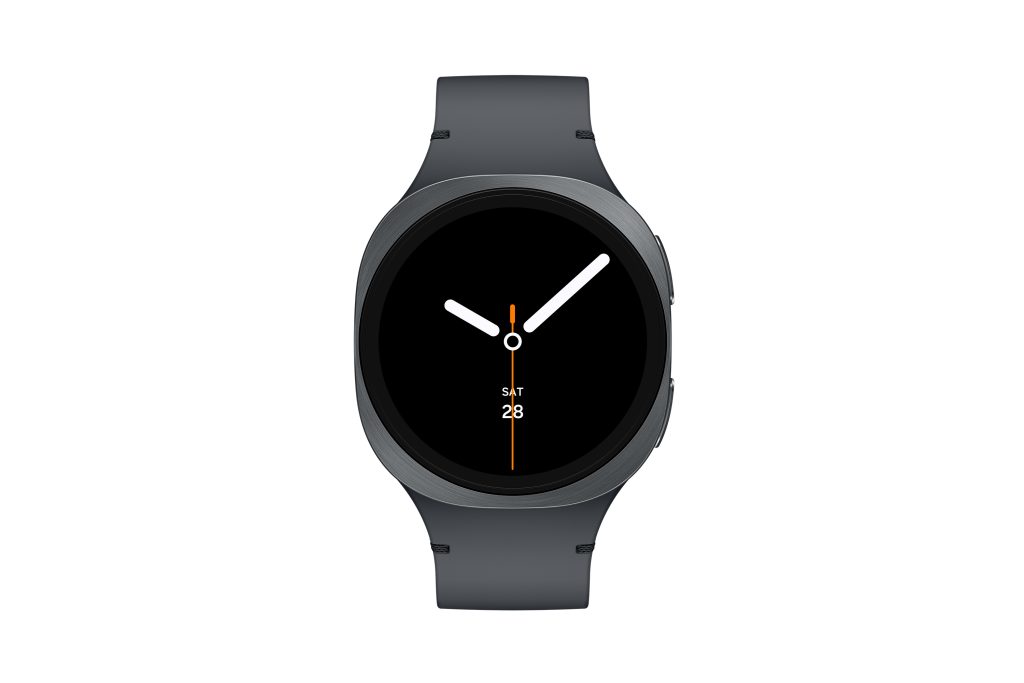
Samsung Galaxy Watch 8 (2025)