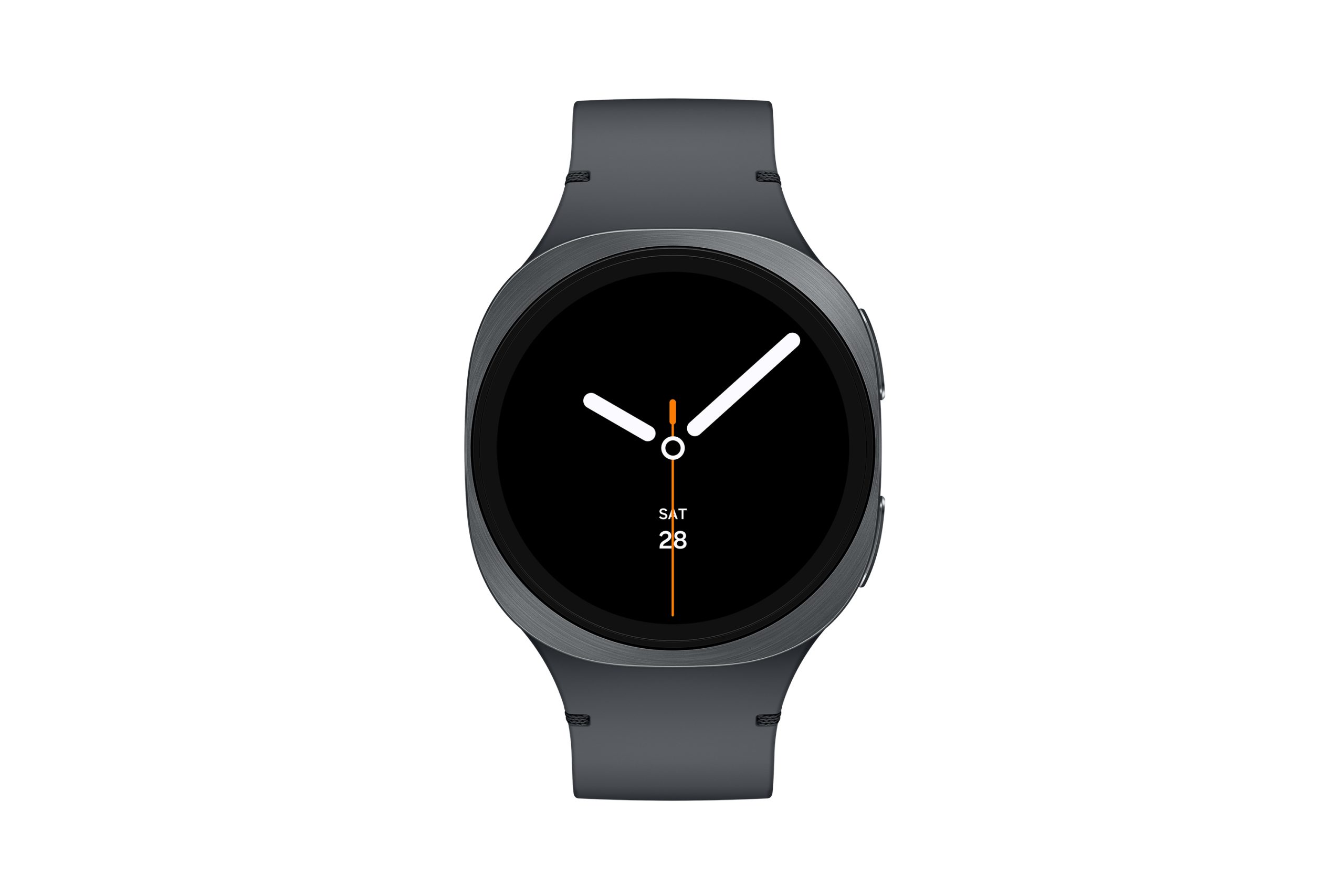

Remember when watches just told time? Now they’re practically co-pilots for our health! The quiet revolution happening on our wrists – the rise of the smartwatch – is rapidly reshaping various sectors, and healthcare is no exception. But this isn’t just about a tech fad; it’s a fundamental shift in how we understand and manage our well-being. And Physical Therapists (PTs), those unsung heroes of movement and recovery, are particularly well-positioned to leverage the power of these devices, especially the shiny new Samsung Galaxy Watch 8. Forget simply counting steps; we’re talking about a potential paradigm shift in patient care, driven by data and personalized insights.
I. A Quick Pulse Check: Smartwatches in Healthcare – The Big Picture
From Basic Beeps to Bio-Sensors: A Historical Glance
The journey of the smartwatch is a fascinating tale of technological ambition. In the early 2000s, they were clunky afterthoughts – glorified PDAs strapped to our wrists, capable of little more than displaying contacts and performing basic calculations. These humble beginnings gave way to the “true surge” around 2010, as smartphone connectivity unlocked new potential. But it was arguably the arrival of the Apple Watch in 2015, with its groundbreaking ECG functionality, that signaled a turning point. The era of serious, FDA-cleared health monitoring had begun. What started as simple fitness tracking evolved into sophisticated continuous heart rate monitoring, fall detection, and even remote patient monitoring (RPM). It’s a far cry from those early, limited devices.
More Than Just a Pretty Face: What Smartwatches Do for Med Pros
Beyond the sleek designs and vibrant displays lies a wealth of potential for medical professionals.
- Always Connected: Imagine a world without incessant paging. For doctors and nurses, smartwatches offer rapid, hands-free communication, keeping them connected to their teams and patients in real-time.
- Info at a Glance: Accessing patient updates, key symptoms, and vital lab results directly from the wrist offers immediate insights that could potentially reduce errors and improve decision-making.
- Your Personal Health Detective (for patients!): The always-on nature of smartwatches makes them ideal for continuous monitoring. From vital signs like heart rate, SpO2, and body temperature to activity and sleep tracking, they provide a holistic view of a patient’s health. They can even be configured for disease-specific monitoring (cardiac irregularities, movement disorders, seizure detection), medication reminders, and fall detection, offering an unprecedented level of personalized care.
- Keeping Caregivers Healthy Too: Let’s not forget the caregivers themselves. The demanding nature of healthcare professions takes a toll. Smartwatches can help manage stress through monitoring and provide quick access to emergency medical IDs, ensuring their well-being is also prioritized.
II. The PT Perspective: Why the Galaxy Watch 8 is Making Waves
Unlocking Superpowers for Physical Therapists
For PTs, the Galaxy Watch 8 isn’t just another gadget; it’s a potential force multiplier.
- Tracking Progress, Building Back Stronger: PTs live and breathe data. Smartwatches offer a continuous stream of information – steps, activity levels, heart rate, heart rate variability, sleep patterns – that can be invaluable in confirming patient activity, ensuring exercises are performed safely, and monitoring recovery progress. This is particularly crucial for at-home exercises, allowing PTs to remotely track adherence and adjust treatment plans as needed.
- Real-Time Coaching, Real Results: Picture this: guiding a patient through a rehabilitation exercise remotely, receiving live feedback on their movements and physiological responses via the smartwatch. This is the promise of telerehabilitation, and studies suggest it can increase home exercise compliance by up to 40%!
- Personalized Plans, Not One-Size-Fits-All: Generic treatment plans are a thing of the past. The precise data provided by the Galaxy Watch 8, including range of motion and activity metrics, allows PTs to develop highly customized interventions tailored to the individual needs of each patient.
- Safety Net on the Wrist: Fall detection is a game-changer for at-risk patients, providing an added layer of safety and offering peace of mind to both patients and caregivers. Quick alerts can ensure timely assistance in the event of a fall.
Introducing the Samsung Galaxy Watch 8: A Closer Look at the PT’s New Toolkit
The Samsung Galaxy Watch 8 brings some serious upgrades to the table, making it a particularly compelling tool for PTs.
- Brain Power: The integration of AI, including Google Gemini for voice control and Samsung’s own improved AI algorithms, promises smarter insights into activity, exercise, sleep, and stress patterns. This means more actionable data for PTs.
- New Vitals on the Block: The addition of the Antioxidant Index (providing insights into diet and recovery) and Vascular Load (measuring heart stress) offers deeper and potentially valuable insights into a patient’s overall health status.
- Precision Matters: The improved sensor design, featuring a “Dynamic Lug System,” ensures that sensors stay closer to the wrist, resulting in more accurate readings. Dual-frequency GPS provides exceptionally precise location tracking, which is essential for gait training and running rehabilitation.
- Your Personal Running Coach: The AI-powered running coach can assess a patient’s fitness level and create personalized training plans, making it an ideal tool for helping them achieve their recovery milestones.
- Sleep Like a Baby (for better recovery!): Detailed sleep metrics, personalized sleep coaching, and an FDA-authorized sleep apnea detection mode contribute to improved sleep quality, which is crucial for recovery and overall well-being.
- Beyond the Scale: Easy body composition analysis directly from the watch provides valuable data for tracking progress and tailoring treatment plans.
- Built to Last: The durable Armor Aluminum case, bright 3,000-nit AMOLED display, and robust durability ratings (5ATM + IP68 / MIL-STD-810H) ensure that the Galaxy Watch 8 can withstand the rigors of a busy clinic or an outdoor rehabilitation session.
- The “But” for PTs: It’s important to acknowledge that the Galaxy Watch 8 is a recent release (July 2025!). While official PT-specific reviews are still emerging, the potential of this device, given its feature set, is undeniably significant.
III. The Elephant in the Exam Room: Hurdles and Headaches
Despite the exciting possibilities, it’s crucial to address the challenges and potential drawbacks.
- “Is This Data Even Real?”: The Accuracy Question
We must acknowledge that consumer-grade smartwatches are not infallible medical devices. Readings can be affected by various factors, including user behavior, environmental conditions, and technical limitations. For example, the watch might misinterpret certain movements, or its accuracy might be reduced on individuals with darker skin tones. The potential for false positives, leading to unnecessary anxiety or further medical investigations, is a real concern. - “Who Owns My Heart Rate?”: Privacy Panic
Consumer wearables often fall outside the scope of traditional medical privacy laws like HIPAA. This raises significant concerns about data collection, storage, and potential sale to third parties, such as advertisers or data brokers. The fear of discrimination, with insurance companies or employers potentially using this data against individuals, is also a valid concern. - “Another Day, Another Data Dump”: Integration Nightmares
The integration of smartwatch data into existing Electronic Health Record (EHR) systems presents a significant challenge. Messy data formats, security issues, and the sheer volume of information can create an overwhelming and unmanageable situation. There’s a risk of doctors being “flooded with meaningless data” that lacks clear clinical validation. - “Doctor Google, Meet Doctor Smartwatch”: Misinformation & Over-Reliance
Patients might mistakenly interpret smartwatch insights as professional medical advice, leading to self-diagnosis or an unhealthy preoccupation with perceived symptoms. This can complicate the doctor-patient relationship and even increase stress levels in some individuals. - The Price of Progress: The cost of advanced smartwatches can create a “digital divide,” limiting access and exacerbating health disparities for economically disadvantaged populations.
IV. Glimpse into the Future: What’s Next on the Wrist?
Smarter, Faster, More Insightful: The Tech Roadmap
Expect to see next-generation sensors capable of non-invasive blood glucose monitoring, hydration level assessments, cortisol measurements for stress, microfluidic patches, and even ultrasound technology for highly accurate data acquisition. AI will play an increasingly prominent role, enabling predictive health analytics that can spot issues like strokes or heart attacks before they manifest. Personalized wellness plans and AI-driven health coaching will become increasingly sophisticated. Seamless integration with EHRs and telemedicine platforms will bridge the gap between consumer and clinical data. The rise of smart rings (like Samsung’s upcoming Galaxy Ring) and sensor-embedded fabrics will offer continuous, subtle monitoring capabilities.
Samsung’s Vision: The Galaxy Watch Leading the Charge
Samsung is committed to pushing the boundaries of wearable technology. Expect to see a supercharged BioActive Sensor with up to 30% more accurate measurements across the board. New AI-powered insights, such as an Advanced Glycation End Products (AGEs) Index for assessing metabolic health and an improved Energy Score for evaluating physical and mental well-being, are on the horizon. Expanding FDA-cleared features, like Irregular Heart Rhythm Notification and Sleep Apnea detection, will further enhance the device’s clinical utility. Early detection capabilities, reportedly capable of detecting early Parkinson’s tremors with 94% sensitivity, are also being explored. Samsung is heavily investing in providing actionable insights for building healthy habits, identifying threats early, and supporting “aging in place.” They’re even exploring “Care Circles” to facilitate data sharing and support among family and friends.
Conclusion: The Smartwatch – A Partner, Not a Replacement
Smartwatches, particularly advanced models like the Samsung Galaxy Watch 8, represent powerful and rapidly evolving tools with immense potential for PTs and the broader healthcare landscape. They offer the promise of enhanced patient care, personalized rehabilitation, streamlined workflows, and proactive health management. However, we must acknowledge the challenges – accuracy, privacy, and integration – and address them with careful consideration and thoughtful solutions. These devices are not intended to replace the invaluable expertise of medical professionals, but rather to empower them (and us!) with unprecedented insights, making healthcare smarter, more personalized, and more proactive. It’s an exciting time to be in healthcare, with a little help from our wrists!
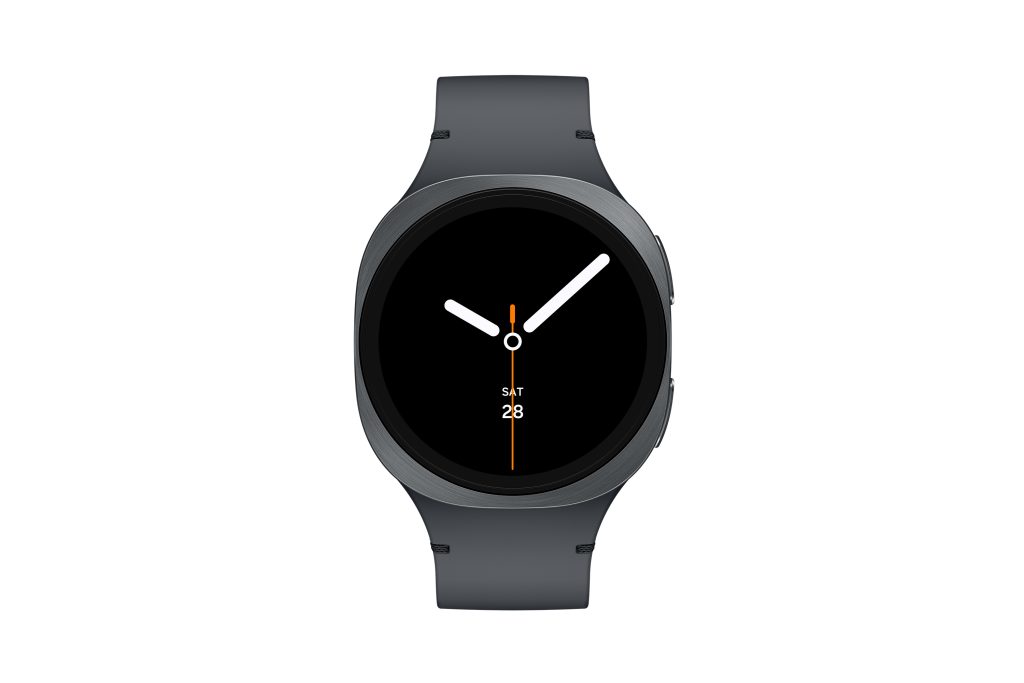
Samsung Galaxy Watch 8 (2025)