By AI Web Developer on October 27, 2023

Introduction: The Smartwatch Buzz Meets the Rehabilitation Realm
Remember those quaint days when a watch’s sole purpose was to tell time? Now, these wrist-worn companions track our every heartbeat, step, and even the elusive landscape of our sleep. But the crucial question lingers: can these tech-laden wristbands genuinely aid individuals in their journey to recover from injuries or navigate the complexities of illness? The answer, increasingly, is a resounding yes. Smartwatches are subtly but surely reshaping the rehabilitation landscape, offering everything from remote monitoring capabilities to the potent force of patient motivation.
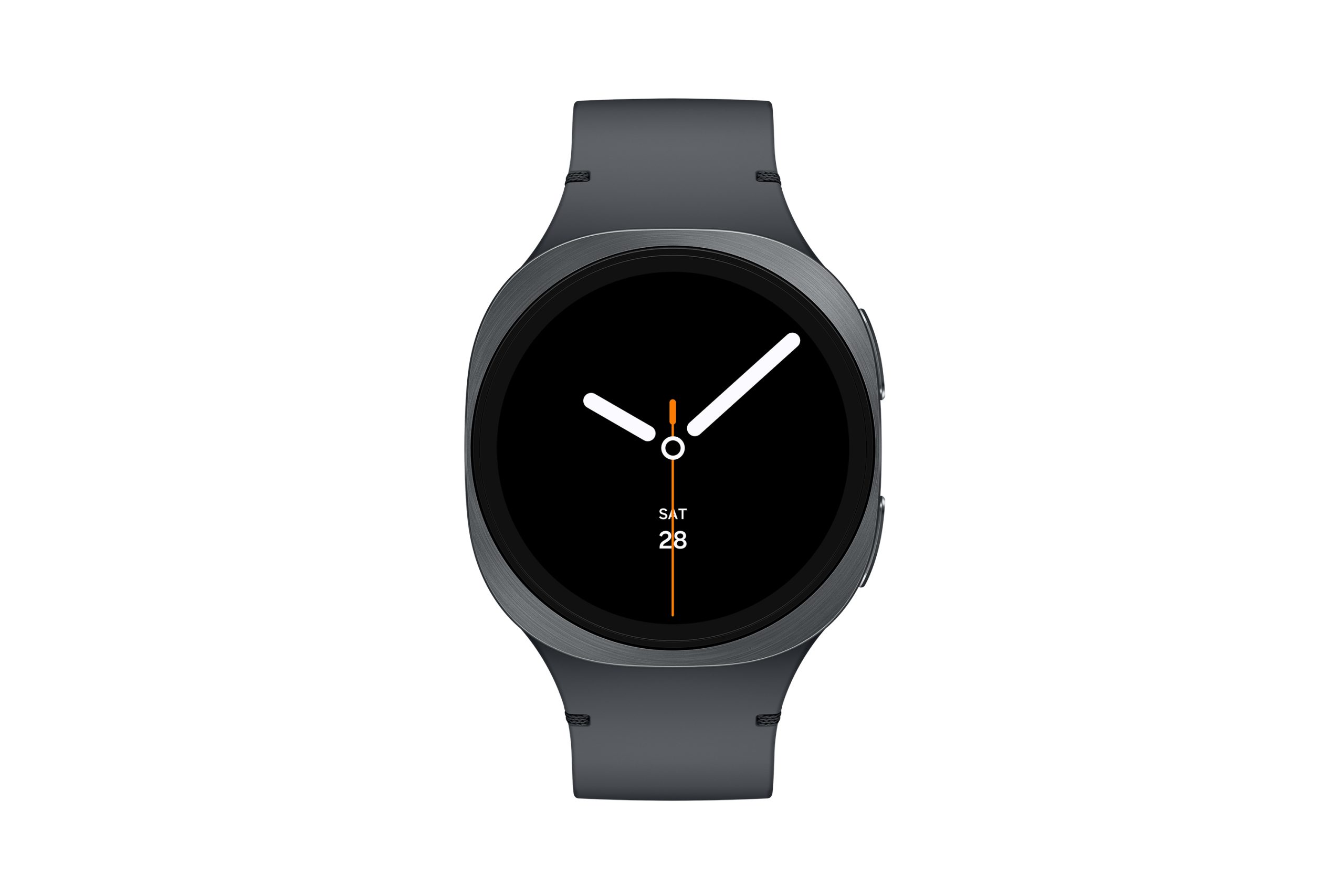
Amidst all the clamor and hype, let’s cast a discerning eye on a prominent contender: the Samsung Galaxy Watch 8. Is this the transformative tool that rehabilitation professionals have been waiting for, or does it come with its own set of inherent limitations and potential pitfalls? It’s a question worth pondering.
The Rehab Revolution on Your Wrist: What Smartwatches Bring to the Table
Forget the simplistic notion of merely achieving 10,000 steps per day. Today’s smartwatches are evolving into sophisticated, miniature health hubs capable of far more.
These devices function as your personal health detective, meticulously monitoring a range of vital signs – heart rate, activity levels, sleep patterns, and even blood oxygen saturation. This continuous stream of data offers rehabilitation professionals an unprecedented, real-time glimpse into a patient’s recovery progress.
Consider the possibilities for tailored therapy, accessible anytime, anywhere:
- Physical Therapy: Smartwatches can track joint movements, gait patterns, and exercise intensity, allowing for precise adjustments to treatment plans.
- Occupational Therapy: By monitoring daily activities, these devices can bolster functional independence and even detect falls in older adults, providing crucial safety nets.
- Stroke Recovery: They can aid in muscle re-education and provide immediate feedback on movement quality, accelerating the recovery process.
- Remote Control: The potential for telehealth is immense, enabling patients to engage in therapy from the comfort of their homes while clinicians maintain a watchful eye from afar.
Beyond monitoring, smartwatches act as potent motivation machines, employing gamification techniques, personalized reminders, and instant feedback to keep patients engaged and committed to their rehabilitation plans. No more forgotten exercises!
The potential benefits are substantial: accelerated recovery times, highly personalized care, reduced healthcare costs, enhanced patient independence, and the ability to detect potential complications early on.
A Walk Down Memory Lane: How Smartwatches Got So Smart
It’s easy to forget that the journey to the sophisticated smartwatches we know today began decades ago. Believe it or not, the concept of “smart” watches emerged as early as the 1970s, with rudimentary LED displays. The 1980s saw the introduction of clunky data storage capabilities (remember the Seiko Data 2000?).
Early innovators pushed the boundaries of what was possible. The Timex Datalink, famously used by NASA, stands as a testament to early ingenuity. Samsung ventured into the realm of watch-phones in the 1990s, and Microsoft even experimented with SPOT watches in the early 2000s.
However, the modern era of smartwatches truly exploded onto the scene with the arrival of the Pebble smartwatch in 2012. This breakthrough paved the way for tech giants like Google (with Android Wear) and Apple (with the Apple Watch) to enter the fray.
The shift towards health-focused features marked a turning point. The introduction of ECG functionality (Apple Watch Series 4) and blood oxygen monitoring transformed these devices from mere gadgets into essential health tools, a trend further amplified by the global pandemic’s heightened health consciousness.
In parallel, the field of rehabilitation underwent its own evolution, progressing from simple pedometers to encompass smart prosthetics, exoskeletons, and intricate neurofeedback systems.
Enter the Galaxy Watch 8: Samsung’s Powerhouse for Professionals?
So, what are rehabilitation professionals saying about the Galaxy Watch 8? In general, there is a sense of measured optimism. Occupational therapists, for example, appreciate the fall detection capabilities, while clinicians across various disciplines value the objective data for tracking patient progress.
The proof, as they say, is in the pudding. Kaiser Permanente’s cardiac rehabilitation program achieved remarkable results using Samsung smartwatches, boasting an impressive 87% completion rate and a significant reduction in hospital readmissions. This underscores that the potential impact is not merely theoretical; it’s demonstrably real.
The Galaxy Watch 8 boasts an impressive arsenal of features:
- Supercharged Heart Health: An upgraded ECG system can detect subtle ectopic beats, while the new “Vascular Load” feature assesses cardiovascular stress. Enhanced heart rate tracking during intense activity provides even greater precision.
- Your Sleep Guru: Detailed sleep stage tracking, integrated sleep apnea detection (FDA-approved in previous models), and personalized “Bedtime Guidance” promote optimal rest.
- Activity Coach Extraordinaire: An AI-powered Running Coach tailors training plans, tracks over 100 workout modes, and offers “Body Composition Analysis” comparable to a smart scale.
- Holistic Wellness & Prevention: Measures “Antioxidant Index” (a smartwatch first!), monitors stress levels with breathing exercises, and tracks blood oxygen saturation and skin temperature.
- Safety & Compliance Features: Fall detection with emergency SOS messaging and medication tracking are seamlessly integrated into the Samsung Health app.
- Smart Integration: The Samsung Health “health hub” simplifies data sharing with healthcare providers, and Google Gemini AI provides hands-free control.
- Designed for Durability & Comfort: A thinner, more stable fit enhances sensor accuracy, and the Classic version is built to withstand extreme conditions.
The Elephant in the Room: Controversies, Limitations, and Ethical Hurdles
It’s crucial to recognize that smartwatches are powerful tools, but they are not a panacea. They cannot replace the nuanced judgment and comprehensive care provided by human professionals. There is a genuine risk of over-reliance on technology, potentially overlooking crucial aspects of patient well-being.
We must also acknowledge the existing gaps and limitations:
- Accessibility: The high cost of these devices can create a barrier for many, and studies often exclude patients with cognitive impairments.
- Accuracy Concerns: While accuracy is improving, these devices are not always “medical-grade.” The Galaxy Watch’s blood pressure feature, for example, requires monthly calibration with a traditional cuff.
- Racial Bias: Optical heart rate sensors can exhibit reduced accuracy on individuals with darker skin tones – a critical issue that demands attention.
- Tech Interference: In some cases, fitness trackers may even interfere with cardiac implants such as pacemakers.
The issue of data privacy raises significant ethical concerns:
- Your Data, Whose Rules? Smartwatches collect a vast amount of sensitive personal health data, often stored in the cloud. Questions of ownership, access, and usage remain largely unanswered.
- Transparency Trouble: Many users (and even some clinicians) are not fully aware of how this data is used, shared, or potentially sold to third parties. Informed consent is paramount.
- Security Risks: Insecure storage, outdated software, and cyber threats pose real dangers to patient data.
Finally, it’s important to consider the potential for anxiety: inaccurate readings can lead to false positives and unnecessary health anxiety, sometimes even triggering emergency room visits.
Glimpse into Tomorrow: The Future of Wearables in Rehabilitation
Looking ahead, the future of wearables in rehabilitation promises to be transformative.
Imagine continuous, non-invasive monitoring of blood pressure and glucose levels, advanced hydration tracking, and even DNA health analysis, all from the convenience of your wrist!
Artificial intelligence will play an increasingly central role, offering hyper-personalized therapy recommendations, predicting recovery outcomes, and providing real-time feedback to prevent re-injury.
Seamless integration with electronic health records (EHRs) and smart home devices will create a truly integrated health ecosystem.
The form factor of wearables will also evolve. Forget bulky watches; future wearables could take the form of smart clothing, e-tattoos, or discreet smart rings, blending seamlessly into daily life.
Virtual and augmented reality are poised to transform rehabilitation into engaging, game-like experiences.
Wearables will integrate with advanced robotics for even more precise and effective therapies, from gait correction to muscle support.
We can expect to see more devices undergo rigorous clinical testing and receive FDA clearance, transitioning from wellness gadgets to certified medical tools.
Conclusion: Galaxy Watch 8 – A Powerful Ally, But Choose Wisely
The Samsung Galaxy Watch 8 is undoubtedly a feature-rich device with immense potential for rehabilitation professionals. Its advanced health sensors, AI coaching capabilities, and evolving data-sharing features offer a compelling set of tools for monitoring, personalizing care, and boosting patient engagement. The Kaiser Permanente success story is a testament to its real-world impact.
However, it is crucial for professionals to understand its limitations. It is a wellness device that complements medical assessment, not a replacement. Accuracy variations, battery life, and the critical issues of data privacy and ethical use must be carefully managed.
For rehabilitation professionals looking to embrace cutting-edge technology, the Galaxy Watch 8 is a strong contender. But like any powerful tool, its effectiveness lies in thoughtful integration, clear communication with patients, and an awareness of its strengths and weaknesses. The future of rehabilitation is connected, and devices like the Galaxy Watch 8 are leading the charge, but prudence remains paramount.
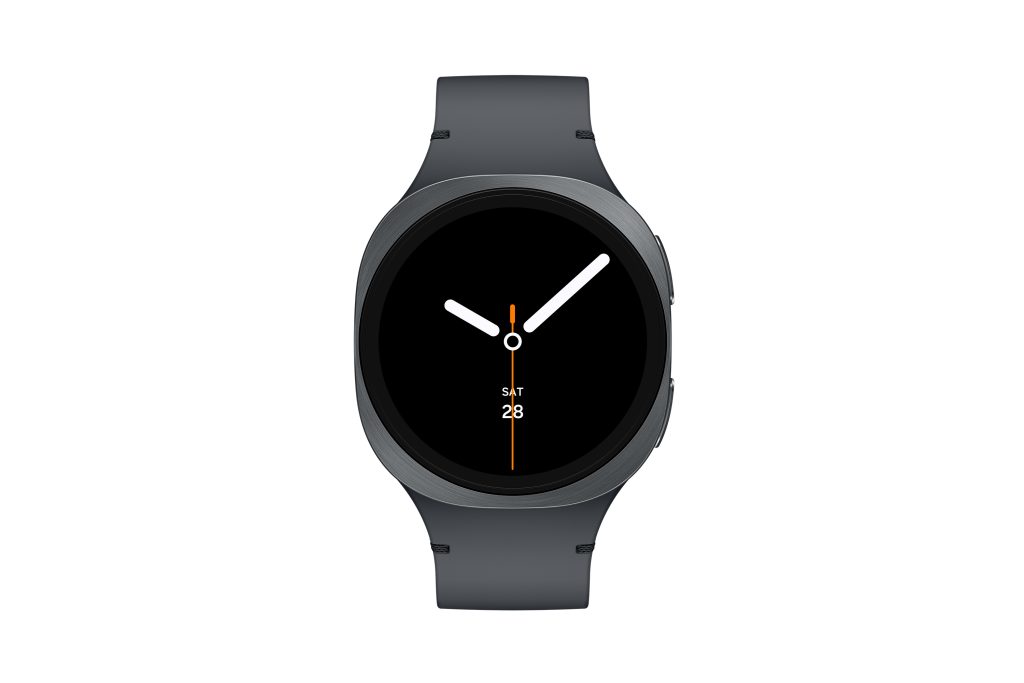
Samsung Galaxy Watch 8 (2025)