
Introduction: The Smartwatch Gauntlet
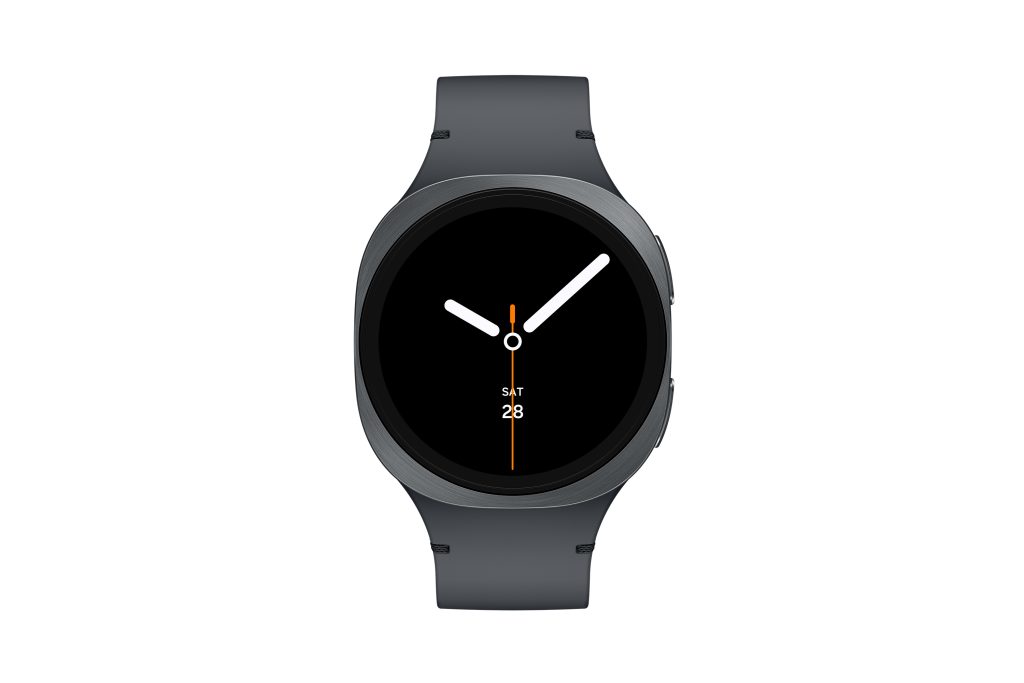
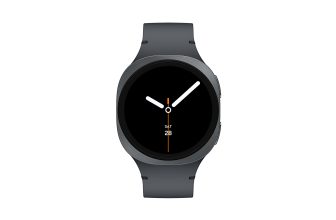
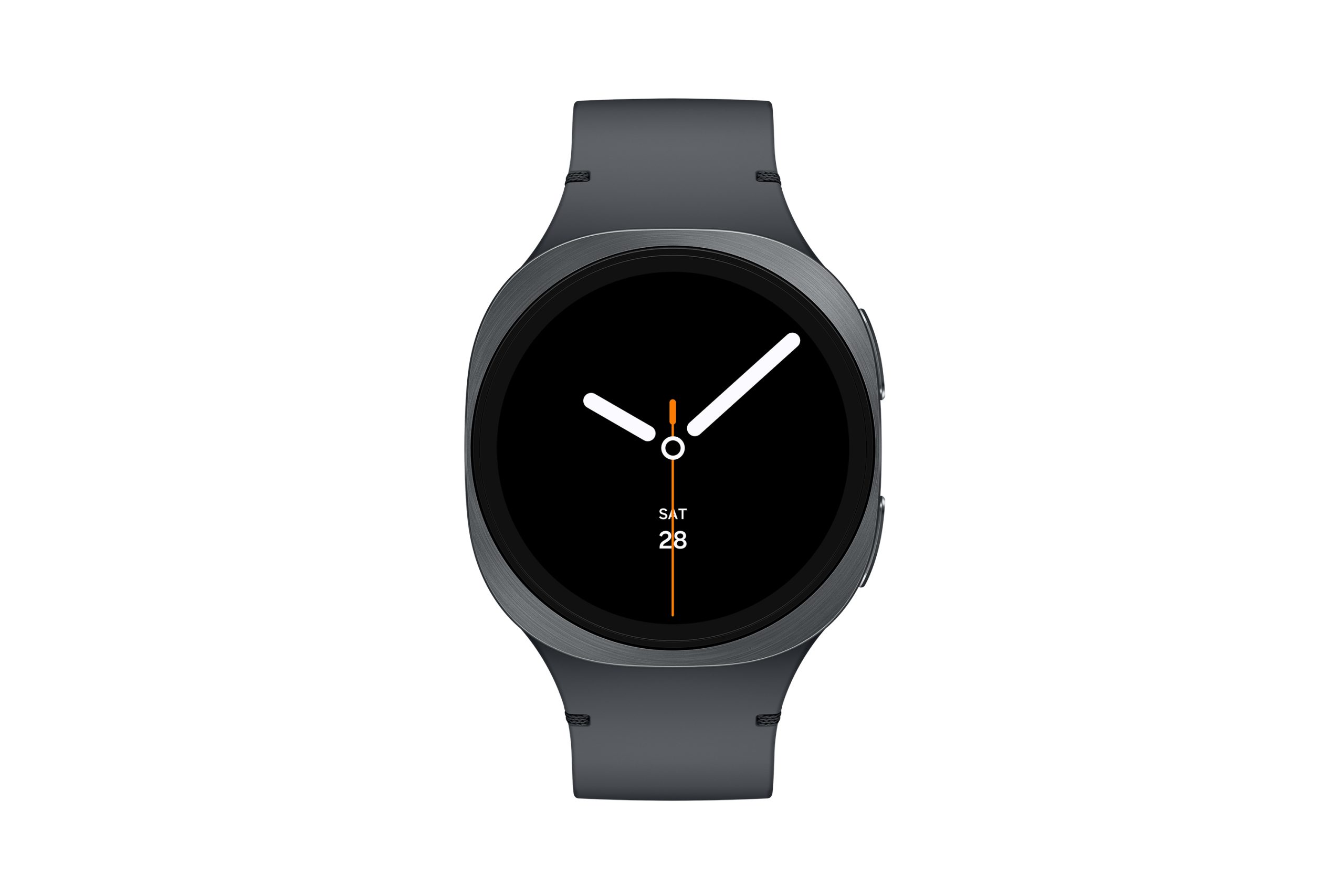
Samsung Galaxy Watch 8 (2025)
Smartwatches. These miniature computers strapped to our wrists have become so ubiquitous, so intertwined with the fabric of our daily existence, that they’re practically extensions of ourselves. They diligently track our steps, meticulously monitor our sleep cycles, and even keep a watchful eye on the rhythmic dance of our heartbeats. But with a relentless torrent of new models cascading onto the market, each promising the moon and the stars, how does one navigate this technological labyrinth to discern what is truly worth the investment?
Enter Samsung, a titan in the tech arena, who has recently unleashed its latest creation upon the world: the Galaxy Watch 8 series. The question that now hangs heavy in the air, a question that demands our careful consideration, is this: Is the Galaxy Watch 8 the digital companion you’ve been patiently awaiting, the device that will seamlessly integrate into your life and elevate your daily experience? Or, perhaps, is it a siren song, a tempting but ultimately unnecessary distraction that should be resisted, leaving your wallet safely ensconced in your pocket?
In this exploration, we shall dissect the Galaxy Watch 8 with the precision of a surgeon and the curiosity of a philosopher. We will delve into the depths of its specifications, dissect its design choices, and examine its performance under the harsh light of real-world usage. We will leave no stone unturned as we navigate the landscape of the new, the familiar, the intriguing, and the potentially problematic. Prepare yourself, dear reader, for a comprehensive journey that will equip you with the knowledge necessary to make an informed decision in the ever-evolving world of smartwatches.
Part 1: Meet the Newcomer: The Galaxy Watch 8 Series at a Glance
The stage was set on July 9th, 2025, when Samsung officially unveiled the Galaxy Watch 8 series, a trio of devices poised to make their grand entrance onto store shelves come July 25th, 2025. This isn’t merely a solitary offering, but a carefully curated collection comprising the standard Watch 8, the refined Watch 8 Classic, and a revitalized Watch Ultra (2025) – each vying for a coveted spot on your wrist.
At first glance, the Watch 8 presents a visual departure from its predecessors, embracing what can only be described as a “cushion” or “squircle” aesthetic. This design philosophy marries the traditional circular display with a gently squared-off frame, creating a harmonious blend of the familiar and the novel. The device is also noticeably thinner than previous iterations, a subtle yet significant improvement that enhances comfort and potentially optimizes sensor readings through what Samsung calls “Dynamic Lugs”.
For those who appreciate the tactile satisfaction of physical interaction, the Watch 8 Classic marks the triumphant return of the beloved rotating bezel! A feature sorely missed by many, its reintroduction is a testament to Samsung’s willingness to listen to its user base and cater to the desires of those who prefer a more tangible connection with their technology.
The visual experience has also received a significant upgrade, with the Watch 8 boasting a dazzling Super AMOLED display capable of reaching a peak brightness of 3,000 nits. This promises exceptional clarity and visibility, even under the most demanding lighting conditions.
Beneath the surface, however, lies a point of potential contention. The Watch 8 is powered by the 3nm Exynos W1000 chipset, a familiar component that also graced the Watch 7. This raises the question of whether this is truly a generational leap or merely a refinement of existing technology. Paired with 2GB of RAM, the Watch 8 aims to deliver a smooth and responsive user experience. Storage capacity receives a boost in the Classic and Ultra variants, expanding to a generous 64GB.
One of the defining characteristics of the Galaxy Watch 8 is its embrace of artificial intelligence. Running Wear OS 6 with One UI 8 Watch, the device boasts tight integration with Google’s Gemini AI, enabling natural voice commands and enhanced multitasking across a suite of Google and Samsung applications. Imagine conversing with your wrist, effortlessly orchestrating your digital life with the power of your voice.
The Watch 8 also doubles down on its health and wellness capabilities, inundating users with a plethora of AI-powered features. “Bedtime Guidance” promises to optimize your sleep environment, while “Sleep Score Factors” dissect your slumber into its constituent parts, providing insights into your sleep quality. An “Antioxidant Index” aims to quantify your body’s defenses against oxidative stress, while AI coaching provides personalized guidance for workouts and a daily “Energy Score” attempts to gauge your overall vitality.
Of course, the Galaxy Watch 8 is equipped with the expected array of sensors – heart rate, SpO2, ECG, BIA, and a temperature sensor – enabling a comprehensive suite of health tracking features. But this technological prowess comes at a price. The 40mm Bluetooth variant starts at $349.99, a noticeable increase compared to previous generations.
Part 2: A Trip Down Memory Lane: How Did We Get Here?
To truly understand the significance of the Galaxy Watch 8, it is essential to contextualize it within the broader narrative of Samsung’s smartwatch journey. From its nascent beginnings to its current position as a dominant force in the Wear OS ecosystem, Samsung’s evolution has been marked by innovation, experimentation, and a constant pursuit of technological perfection.
In this journey, the shadows of its siblings – the Watch 5 and Watch 6 – loom large. These predecessors laid the foundation for the Watch 8, offering valuable lessons in both triumph and tribulation.
The Watch 5 and 6 distinguished themselves through their remarkable durability, thanks to the incorporation of Sapphire Crystal glass (and titanium in the Watch 5 Pro). This scratch-resistant material proved to be a valuable asset, ensuring that the devices could withstand the rigors of daily wear and tear.
However, one of the most persistent criticisms leveled against the Watch 5 and 6 revolved around their battery life. Many users found themselves tethered to a charger on a daily basis, a significant inconvenience that detracted from the overall user experience. While the Watch 5 Pro offered a slightly improved battery performance, the standard models consistently struggled to provide adequate longevity.
On the software front, Samsung has demonstrated a commendable commitment to long-term support, providing four years of OS updates and five years of security patches for its recent watches. This is a significant advantage, ensuring that users can continue to enjoy the latest features and security enhancements for years to come.
Unfortunately, Galaxy Watches are not known for holding their value over time. The rapid pace of new releases, coupled with frequent promotional offers, contributes to a swift depreciation of older models, such as the Watch 5 and 6. This is an important consideration for those who intend to resell their devices in the future.
Samsung Galaxy Watch 8 (2025)
Part 3: The Good, The Glitchy, and The “Uh Oh”: Current Opinions & Controversies
The Galaxy Watch 8 has arrived amidst a flurry of anticipation, generating both excitement and trepidation within the tech community. It’s time to dissect the prevailing sentiments, separating the genuine advancements from the lingering concerns that have plagued previous generations.
The hype surrounding the Watch 8 is fueled by several key factors.
- The integration of Gemini AI is undeniably exciting, promising a smarter, more responsive user experience.
- The new AI health features also hold immense potential for providing more detailed and personalized wellness tracking.
- The blindingly bright display, capable of reaching 3,000 nits, ensures exceptional visibility in even the most sun-drenched environments.
- And, of course, the return of the physical rotating bezel on the Watch 8 Classic is a cause for celebration among long-time Samsung enthusiasts.
However, the Watch 8 is not without its share of familiar frustrations. Battery life remains a persistent concern, with the device’s relatively modest battery capacities (325-445mAh) failing to inspire confidence in multi-day usage. Many users are likely to find themselves grappling with the familiar routine of daily charging, particularly if they utilize features such as Always-On Display (AOD) or LTE connectivity.
Another point of contention lies in Samsung’s tendency to lock certain features to its own ecosystem. ECG, blood pressure monitoring, and even some of the new AI features are exclusively available to Samsung phone users. This artificial limitation feels somewhat unfair, particularly for those who have chosen to embrace other Android devices.
Past models have also faced criticism for inconsistent heart rate readings, GPS inaccuracies, and unreliable step counting. It remains to be seen whether the Watch 8 has truly addressed these issues.
Software glitches, such as delayed notifications, app crashes, performance lag, and problematic updates, have also plagued previous generations of Galaxy Watches. The hope is that Wear OS 6 and One UI 8 Watch will prove to be more robust and reliable.
Reports have also emerged regarding charging compatibility issues, with the Watch 7 and 8 exhibiting difficulties when used with certain charging pads, including Samsung’s own Wireless Charger Duo. This is a frustrating oversight that Samsung needs to address.
Beyond the realm of mere frustrations, the Galaxy Watch 8 also finds itself embroiled in several controversies.
- Persistent reports of skin irritation and burns associated with Samsung watches have led to class action lawsuits. While some cases are attributed to poor hygiene, others suggest that device overheating may be a contributing factor.
- Privacy concerns are also paramount, given the vast amount of personal data that Samsung collects – voice recordings, biometric information, location data, and even “inferences” drawn about your habits and preferences. The fact that Samsung reserves the right to share and sell this data raises legitimate concerns about the potential for misuse.
- The decision to reuse the Exynos W1000 chipset from the Watch 7 is also generating skepticism. Is this truly an “upgrade,” or simply a repackaging of existing technology with new software? Users crave innovation, not stagnation.
- Finally, rumors have surfaced suggesting that Samsung may be considering locking certain health features behind a premium subscription tier. This is a potentially divisive move that could alienate existing users and undermine the value proposition of the Galaxy Watch ecosystem.
Part 4: Glimpse into the Future: What’s Next for Smartwatches?
As we contemplate the merits of the Galaxy Watch 8, it is essential to consider the broader landscape of the smartwatch market and the innovations that are poised to shape its future.
The competition is heating up, with Apple and Google preparing to unleash their own contenders in the form of the Apple Watch Series 11 (September 2025) and the Google Pixel Watch 4 (October 2025).
The Apple Watch Series 11 is expected to feature a new S11 chip focused on efficiency, 5G RedCap connectivity, the return of blood oxygen monitoring, and new blood pressure alerts (though not exact readings). watchOS 26 promises a “liquid glass” UI and an AI workout buddy. However, battery life is only projected to increase by a modest 10%.
The Google Pixel Watch 4 is shaping up to be a formidable competitor, boasting a new Snapdragon W5 Gen 2 chip (25% faster, half the power), a brighter 3,000-nit “Actua 360” display with smaller bezels, and significantly improved battery life (30-40 hours with AOD!). It will also feature a Gemini AI health coach and even emergency satellite comms. Furthermore, it offers the unique ability to replace the battery and display, extending the lifespan of the device.
Industry-wide trends in 2025 point towards a future where smartwatches are even more deeply integrated into our lives, offering a comprehensive suite of health tracking features, AI-powered assistance, and seamless connectivity.
- The “Holy Grail” of non-invasive blood glucose monitoring is finally emerging, promising to revolutionize diabetes management. Expect even more advanced cardiac, sleep, and stress insights, with AI proactively telling you what your body needs.
- AI is no longer just for chat. Smartwatches are becoming true AI health coaches, offering personalized tips and conversational assistants.
- Better durability (IP68, 5ATM, MIL-STD-810H) and longer battery life (some premium models boast 100 hours!) are becoming standard.
- 5G and improved Bluetooth are making smartwatches more independent from your phone.
Conclusion: The Verdict – Is the Galaxy Watch 8 a Winner?
The Galaxy Watch 8 presents a complex and multifaceted proposition. It boasts exciting AI features, a super bright display, and (for the Classic model) that satisfying rotating bezel. It’s a powerful device for health tracking, capable of providing valuable insights into your well-being.
However, the recycled processor, persistent battery life concerns, the controversial “Samsung-only” feature lock, and the hefty price tag make it a nuanced decision.
So, who should buy it?
- If you are deeply entrenched in the Samsung ecosystem, possess a Samsung phone, and crave the latest AI bells and whistles, and you’re okay with daily charging, it’s a solid, albeit expensive, choice.
- If you are upgrading from a Watch 4 or older, the jump in features, display, and AI will feel significant.
Samsung Galaxy Watch 8 (2025)