
I. Introduction: More Than Just a Pretty Face – Your Wrist, Your Health Dashboard
Remember when watches just told time, perhaps with a satisfying tick-tock? Now, strapped to our wrists, they are whispering secrets about the very essence of our being – our heart’s rhythm, the oxygen flowing through our veins. These devices, these miniature marvels, are rapidly evolving from mere accessories to intimate health companions.
Heart rate (HR) and blood oxygen (SpO2) tracking are no longer esoteric metrics reserved for elite athletes gasping for air at the finish line. They’re becoming vital signposts for everyday wellness, providing crucial data for recovery, stress management, and even the early detection of potential health hiccups that might otherwise go unnoticed.
But why are physical therapists, in particular, getting a glint in their eye when they consider smartwatches like the new Samsung Galaxy Watch 8 for their patients? The answer lies in the rich tapestry of data these devices can weave – a tapestry that offers a holistic view of a patient’s recovery journey, their activity levels outside the clinic, and even their sleep patterns. It’s about transforming anecdotal evidence into actionable insights.
In this exploration, we’ll delve into the fascinating world within these tiny sensors, examining how they manage to “see” inside us. We’ll trace their lineage, from the cumbersome medical devices of yesteryear to the sleek wrist-worn companions of today. We’ll dissect the current buzz (and yes, the gripes) surrounding these devices, and finally, we’ll cast our gaze toward the horizon, pondering what the future holds for your wrist-worn health guru.
II. The Magic on Your Wrist: How Your Watch “Sees” Inside You
How can something so small, so seemingly innocuous, provide such intimate details about our internal workings? The answer, as always, lies in a clever application of physics and engineering.
Heart Rate (HR):
- The Science, Simplified: Cast aside images of bulky chest straps constricting your ribcage (mostly, at least). Your smartwatch primarily employs a technique called Photoplethysmography, or PPG for those in the know. Think of it as a tiny, incredibly sensitive flashlight and camera combo nestled against your skin. This system shines light onto your wrist and then measures the amount of light reflected back. Because blood absorbs light, each heartbeat, with its surge of blood, creates a minuscule change in the reflected light. The watch detects these fluctuations and, voila, your heart rate appears on the screen.
- Why it Matters: This seemingly simple metric unlocks a wealth of information. It allows you to track the intensity of your workouts, gauge your recovery after exertion, monitor your resting heart rate as an indicator of overall fitness, and even gain insights into your stress levels. A racing heart during a presentation? Your watch knows. A consistently elevated resting heart rate? It might be time to consult a professional.
Blood Oxygen (SpO2):
- The Science, Simplified: Pulse oximetry, the technology behind SpO2 measurement, relies on the fascinating principle that oxygenated and deoxygenated blood absorb light differently. Your smartwatch emits different colors of light – typically red and infrared – and measures the amount of each color that passes through your blood vessels. By analyzing these absorption patterns, the watch can estimate the percentage of oxygen carried by your red blood cells. It’s a rather elegant trick, isn’t it?
- Why it Matters: SpO2 monitoring is crucial for assessing respiratory health, particularly in individuals with conditions like asthma or COPD. It’s also valuable for those venturing into high altitudes, where the air is thinner, and the body needs to adapt. Furthermore, understanding your SpO2 levels can provide insights into your body’s recovery capacity after intense physical activity.
- The Big Disclaimer: While these technologies offer remarkable insights into our well-being, it’s crucial to remember that smartwatches are generally NOT medical devices intended for diagnosis. They are wellness tools designed to provide trends and general indicators. Think of them as helpful companions on your health journey, but not replacements for professional medical advice.
III. A Whistle-Stop Tour Through Time: From Manual Pulses to Smartwatches
The journey from rudimentary heart rate monitoring to the sophisticated smartwatches of today is a testament to human ingenuity and our relentless pursuit of understanding our own bodies.
- The OG Era (Pre-1970s): Before the advent of sophisticated electronics, monitoring vital signs was a decidedly manual affair. Doctors relied on their fingers to palpate pulses, meticulously counting the beats per minute. Hospitals housed large, cumbersome machines like the “Cardiotachoscope,” an early, somewhat unwieldy heart rate monitor, and the bulky Holter monitor, a portable (by the standards of the time) ECG recorder.
- The Athlete’s Edge (1970s-1990s): The first wearable heart rate monitors emerged, born from the demanding world of Finnish cross-country skiing. These early devices consisted of a chest strap that wirelessly transmitted ECG data to a wristwatch receiver. This innovation, pioneered by companies like Polar Electro, revolutionized training intensity monitoring for athletes.
- The Optical Revolution (2000s-Present): The paradigm shifted from chest straps to wrist-based optical sensors (PPG), spearheaded by brands like Fitbit, Apple, and Samsung. This marked a significant leap in convenience and accessibility. Soon, GPS, accelerometers, and a host of other features were integrated, transforming these devices into truly multi-functional health and fitness trackers.
- SpO2’s Journey: The story of SpO2 monitoring began with Karl Matthes’ ear oximeter in 1935, followed by Glenn Millikan’s portable version designed for WWII pilots facing the challenges of high-altitude flight. However, the modern breakthrough in pulse oximetry came in the 1970s with Takuo Aoyagi’s invention. It wasn’t until 2020 that SpO2 monitoring became a consumer smartwatch staple, with the Apple Watch Series 6 leading the charge and other manufacturers quickly following suit.
IV. The Galaxy Watch 8: Samsung’s Latest Health Hotshot
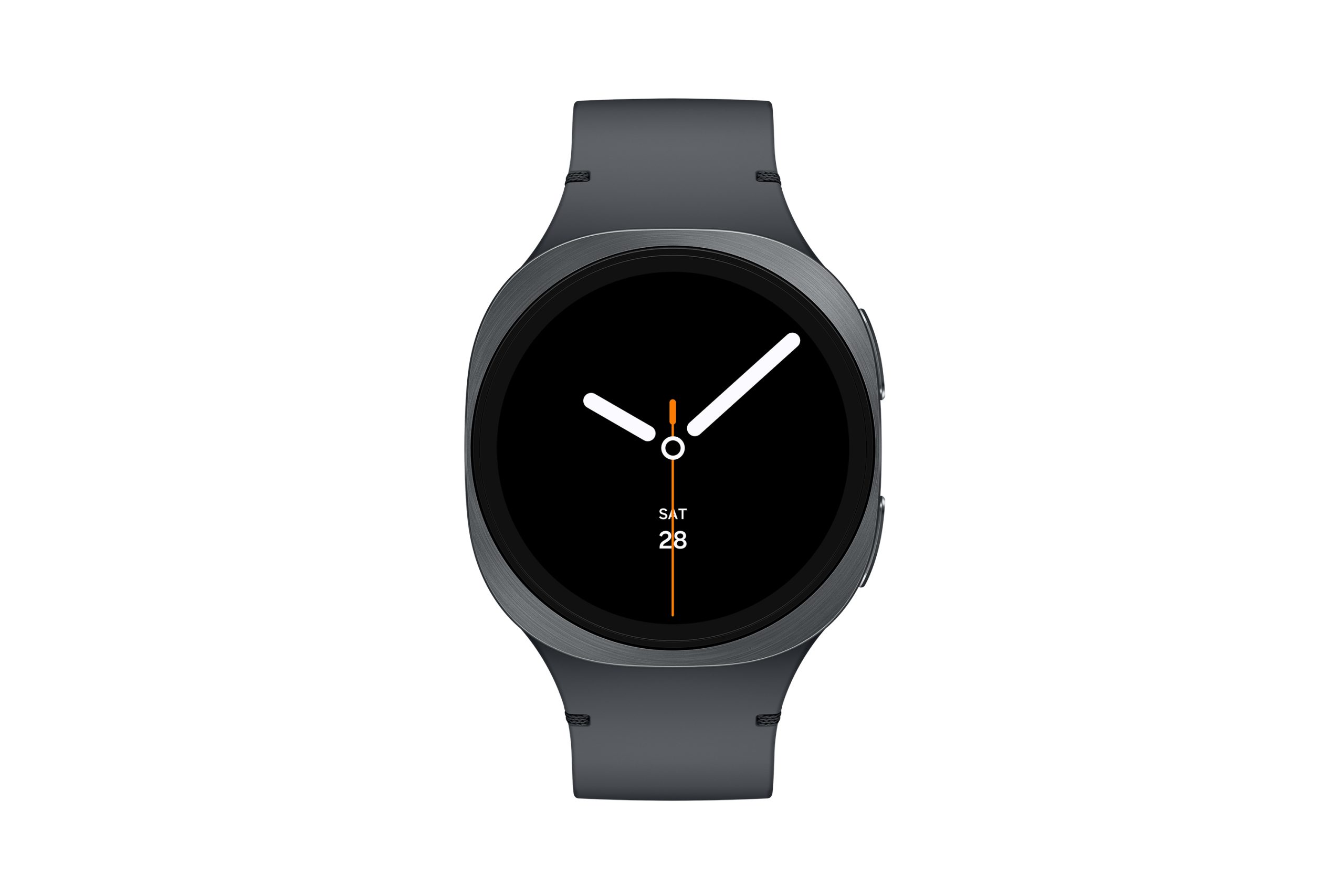
The Samsung Galaxy Watch 8 represents the latest iteration in the evolution of wrist-worn health tracking. Let’s delve into what this device offers and why it’s capturing the attention of physical therapists.
- What’s Under the Hood? The Galaxy Watch 8 boasts the same powerful BioActive sensor found in the Watch Ultra, signifying Samsung’s commitment to comprehensive health tracking.
- Heart Rate: Getting Smarter? According to various reviews, the heart rate tracking capabilities have been significantly improved compared to previous models. In many cases, the readings are within 5 bpm of professional-grade devices during workouts. The “dynamic lug system,” designed to keep the sensors snug against the skin, contributes to more accurate readings, especially during rest and low-intensity activities.
- Blood Oxygen: A Mixed Bag? While the Galaxy Watch 8 does track SpO2, user reports indicate a degree of inconsistency, with some experiencing alarmingly low readings during sleep. While suitable for “spot checks” (within 2 points of medical devices), it’s not quite medical-grade.
- A PT’s Toolkit? The Potential is Huge:
- Remote Insight: Samsung’s Software Development Kit (SDK) program opens up exciting possibilities for physical therapists. Imagine being able to remotely monitor a patient’s vital signs, activity levels, and recovery progress from afar.
- Therapy Integration: Envision a scenario where the watch provides real-time heart rate biofeedback during XR (virtual reality) therapy exercises. Samsung is already exploring this avenue through partnerships with virtual clinics like XRHealth.
- Holistic Patient View: Beyond the confines of the clinic, PTs could access data on a patient’s sleep patterns, activity levels, and even body composition to gain a richer, more complete understanding of their overall well-being and progress.
- AI Coaching: Personalized running and sleep guidance features could serve as valuable supplementary tools for PTs to recommend lifestyle modifications to their patients.
- New Party Tricks: The Galaxy Watch 8 introduces several new features, including “Vascular Load” (measuring stress on arteries during sleep), “Antioxidant Index” (assessing carotenoid levels via thumb placement on the sensor), and an AI-powered “Running Coach” and “Bedtime Guidance.” The utility of these features, however, remains to be seen.
V. The Uncomfortable Truth: When Accuracy Gets “Wonky” (and Why It Matters to PTs)
Despite the impressive advancements in wearable technology, it’s crucial to acknowledge their limitations. Accuracy, in particular, remains a persistent challenge.
- The Achilles’ Heel of Wearables:
- Motion is the Enemy: PPG sensors are susceptible to “motion artifacts,” which can significantly compromise the accuracy of readings during high-intensity workouts and jerky movements.
- Skin Deep: Factors such as skin tone, tattoos, and even ambient light can interfere with the sensors, leading to inaccurate readings. Studies have also revealed a “racial bias” in SpO2 accuracy, with readings being less reliable for individuals with darker skin tones.
- Not a Doctor: It’s essential to reiterate that these are wellness devices, not replacements for clinical-grade medical equipment. Most are not FDA-approved for diagnostic purposes.
- Galaxy Watch 8 Specific Headaches:
- HR Hurdles: The Galaxy Watch 8, like many other wearables, can struggle to accurately track heart rate peaks during weightlifting exercises. Some reviewers have noted that while cardio tracking is “decent,” it still lags behind the performance of Apple Watch or Pixel Watch.
- The SpO2 Saga: This is perhaps the most contentious aspect of the Galaxy Watch 8. Numerous users have reported “garbage” or “drastically wrong” blood oxygen readings, particularly during sleep. These inaccurate readings, such as alarming SpO2 levels of 84-91%, could easily lead to misinterpretations and unnecessary anxiety.
- “Gimmicky” Features? Some of the newer metrics, such as the Energy Score and Antioxidant Index, have been dismissed by some as less essential or even inconsistent. The AI-powered “Running Coach” has even been known to misclassify experienced runners as “beginners”!
- Charging Conundrum: A design quirk can prevent the watch from properly seating on Samsung’s own wireless chargers, leading to charging issues.
- The PT Dilemma: While the data provided by the Galaxy Watch 8 can offer valuable insights into trends and patterns, physical therapists must be acutely aware of the accuracy limitations, especially when making clinical decisions. It’s a supportive tool, not a diagnostic one.
- A Patent Brouhaha! The recent legal battle between Apple and Masimo over SpO2 technology highlights the complexities and proprietary nature of these measurements. This legal wrangling, which even forced Apple to disable the SpO2 feature on some watches in the US, underscores the challenges faced by all manufacturers in this space.
VI. Beyond the Data Points: Who’s Looking at Your Health Secrets? (Privacy Concerns)
In our increasingly data-driven world, it’s crucial to consider the privacy implications of wearing a device that constantly collects and transmits sensitive information about our health.
- The Digital Footprint: Your smartwatch acts as a data vacuum, constantly sucking up sensitive information such as your heart’s rhythm, blood oxygen levels, activity patterns, and sleep data.
- Who Gets Your Data? Companies, insurers, advertisers – seemingly everyone wants a peek at your health data. This data can be used for targeted advertising, personalized product recommendations, or even to adjust your health insurance premiums, often without your full awareness or explicit consent.
- The “Anonymous” Myth: Even “anonymized” data, stripped of direct identifiers, can often be re-identified through various techniques. Remember the Strava incident, where aggregated fitness data revealed the locations of secret military bases?
- Regulatory Wild West: Consumer wearables often fall outside the purview of strict medical privacy laws like HIPAA, creating potential loopholes for data collection and sharing. The fact that biometric data is permanent makes its protection all the more critical.
- What PTs (and Patients) Should Consider: Understanding the data privacy policies of these devices is paramount. The benefits of data sharing for remote monitoring must be carefully weighed against the potential risks of privacy breaches and data misuse.
VII. Peeking into Tomorrow: The Future of Wrist-Worn Wellness
The future of wrist-worn wellness is brimming with exciting possibilities. Expect to see a convergence of technological advancements that will transform these devices from simple trackers into sophisticated health management tools.
- Smarter Sensors, Sharper Insights: Expect even more accurate heart rate and SpO2 monitoring, along with the integration of new capabilities such as continuous, precise blood pressure monitoring, non-invasive glucose tracking (potentially eliminating the need for finger pricks!), and advanced sleep apnea detection.
- AI Takes the Wheel: Artificial intelligence (AI) and machine learning (ML) will play an increasingly prominent role. These technologies will move beyond simple data analysis and into the realm of prediction, flagging potential heart failure or arrhythmias before they become serious and offering hyper-personalized health recommendations tailored to individual needs and risk factors.
- Beyond the Wrist: The future extends beyond the wrist, with the emergence of smart rings, wearable patches, smart clothing, and even implantable tech for discreet, seamless monitoring. The lines between consumer gadgets and medical devices will continue to blur, with more devices seeking FDA approval for specific medical applications.
- Samsung’s Next Leap:
- Enhanced BioActive Sensor: An even newer version of the BioActive sensor is rumored to be in development, incorporating a wider spectrum of LED colors (including blue, yellow, violet, and UV) to achieve even more accurate heart rate and SpO2 measurements (potentially up to 30% better!).
- AGEs Index: The ability to measure Advanced Glycation End Products (AGEs) for insights into metabolic health.
- Galaxy AI: Full integration of AI for a truly personalized health experience, including an improved “Energy Score” and more insightful “Wellness Tips.”
- Predictive Wellness: Samsung aims to provide “clinical-level insights” in the comfort of your own home, guiding users before health issues escalate into serious problems.
VIII. Conclusion: The Galaxy Watch 8 – A Powerful Partner, With Caveats
- The PT Perspective: The Samsung Galaxy Watch 8, with its robust feature set, AI-powered coaching, and potential for remote monitoring integration, offers exciting possibilities for physical therapists to enhance patient recovery, promote holistic wellness, provide valuable trend data, and foster greater patient engagement.
- The Reality Check: However, both PTs and patients must approach the data generated by the Galaxy Watch 8 with a critical eye, acknowledging the current accuracy limitations (particularly with SpO2 measurements) and remembering that it’s a wellness tool, not a diagnostic instrument.
- The Future is Bright (and Smart): The evolution of wearable technology is occurring at a breakneck pace, promising even more sophisticated and medically integrated devices that will empower us all to take a more proactive and informed role in managing our own health. The Galaxy Watch 8 represents a significant step forward on that journey.
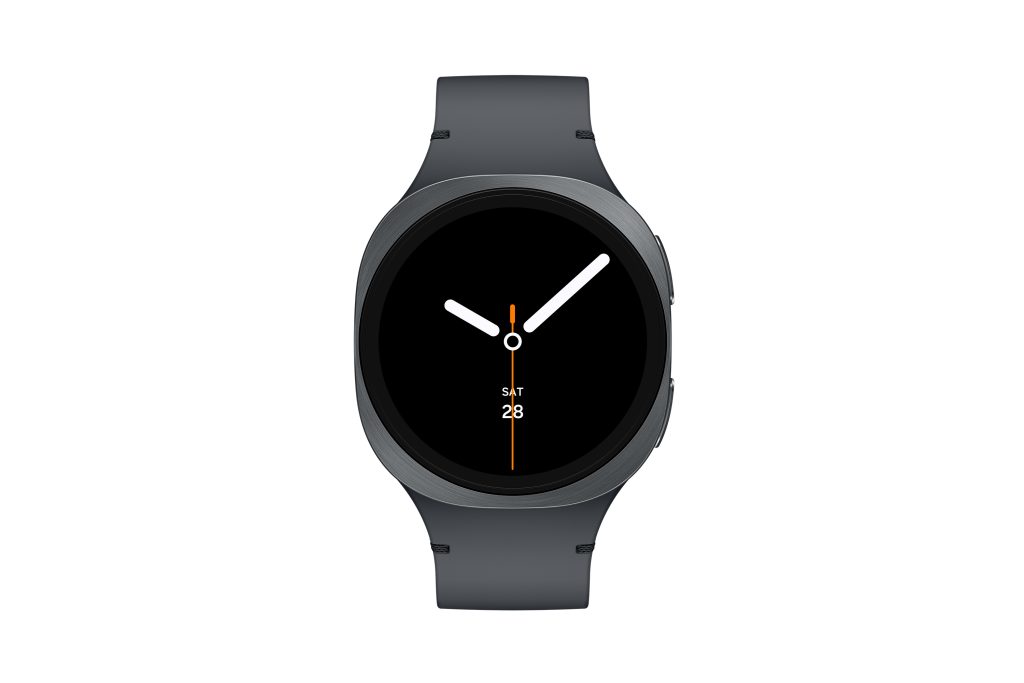
Samsung Galaxy Watch 8 (2025)