
I. Introduction: Your New Wrist-Bound Wellness Coach?
Smartwatches have infiltrated every facet of modern life, dangling the alluring promise of quantified selfhood. They vow to meticulously track our every move, every heartbeat, every calorie burned. But the critical question, especially for those navigating the often-challenging terrain of physical therapy and recovery, is this: can these digital wrist companions genuinely assist in healing and rehabilitation, or are they merely sophisticated pedometers in disguise?
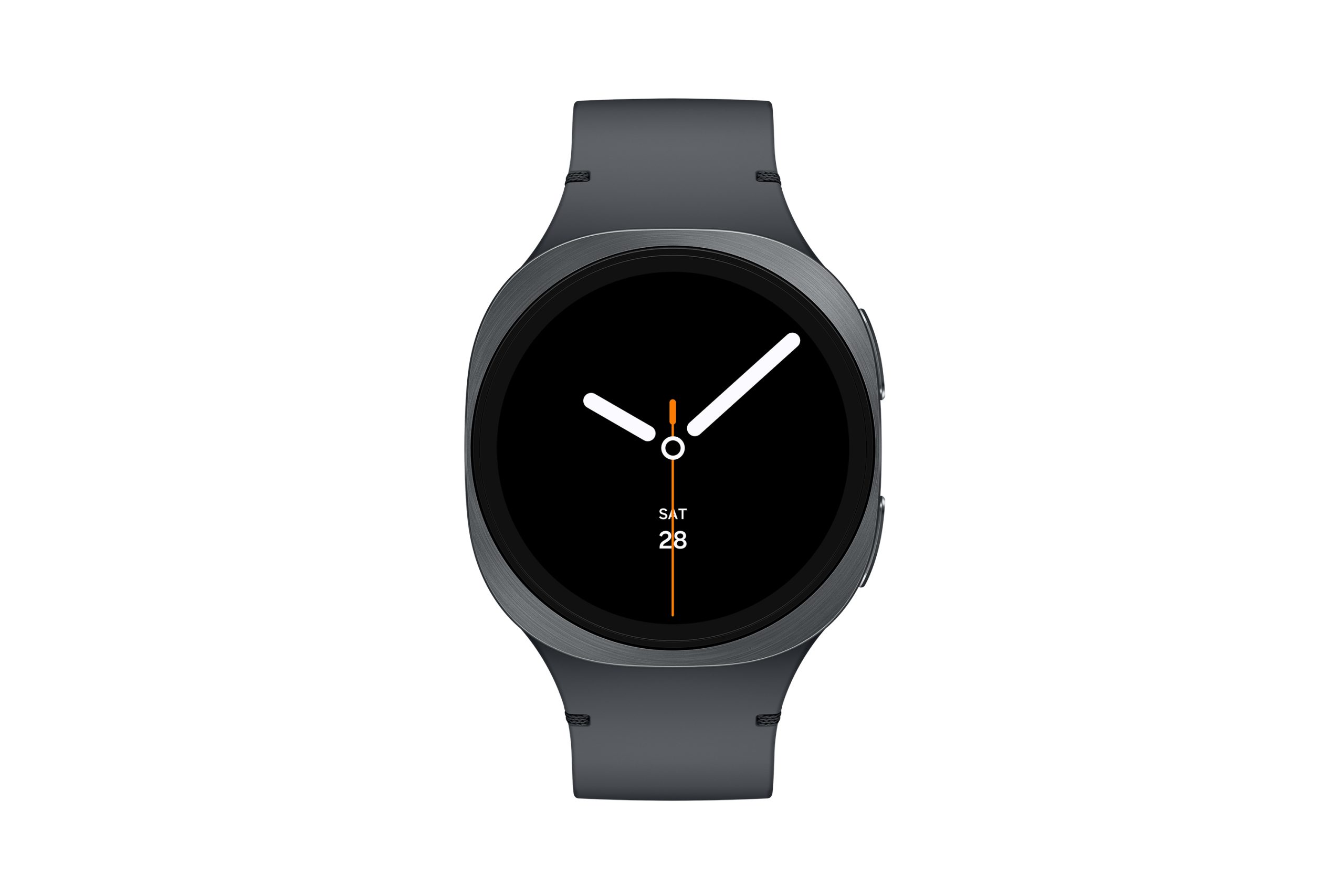
Enter the Samsung Galaxy Watch 8, the latest contender in this wearable health revolution. It represents Samsung’s ongoing ambition to compress a comprehensive health clinic onto your wrist. While the marketing buzzwords and sleek design might captivate the average consumer, my interest lies elsewhere. I’m viewing this device through a specialized lens – a physical therapist’s lens. We’re not just dissecting technical specifications or gushing over the vibrant display; we’re meticulously breaking down what the Watch 8 actually means for your body, your recovery process, and your overall well-being.
II. The Wearable Revolution: From Pedometers to Personalized Plans
Let’s briefly rewind. It wasn’t long ago that wearable tech was synonymous with humble step trackers, glorified pedometers clipped onto belts. Fast forward to today, and we’re swimming in a sea of sophisticated health monitors capable of measuring everything from heart rate variability to sleep architecture.
Samsung isn’t a novice in this arena. Their history includes early forays into health tech and even noteworthy collaborations, such as their partnership with Kaiser Permanente in cardiac rehabilitation programs. These early endeavors laid the groundwork for the advancements we see today.
The Galaxy Watch 8 represents a significant leap forward. It boasts an upgraded BioActive sensor, purportedly more accurate and sensitive than its predecessors. It features smarter AI algorithms designed to personalize your fitness experience. And it showcases a refined design aimed not only at aesthetics but also at ensuring better data acquisition through improved skin contact and reduced movement artifact.
III. Feature Feast: What the Galaxy Watch 8 Serves Up for Your Health
The Galaxy Watch 8 presents a veritable smorgasbord of health-related features.
- The Core Ingredients: We find the usual suspects: continuous heart rate monitoring, detailed sleep stage analysis, blood oxygen saturation (SpO2) measurement, and even body composition analysis (estimating body fat percentage, muscle mass, etc.). However, Samsung claims these features have been “supercharged” with improved accuracy and data processing.
- AI’s Helping Hand: Samsung leans heavily on artificial intelligence to provide personalized insights. The Running Coach tailors your training plans based on your performance and goals, while an “Energy Score” attempts to quantify your readiness for physical activity – a potentially valuable tool for preventing overtraining.
- The New Kids on the Block: The Watch 8 introduces some intriguing new features that pique my curiosity:
- Vascular Load: This metric purports to assess the stress on your blood vessels during sleep, potentially offering insights into cardiovascular health.
- Antioxidant Index: This feature claims to estimate the quality of your diet by analyzing biomarkers in your skin. The science behind this is definitely something to explore.
- The Physical Therapist’s Ally? The question remains: how can these features be leveraged in a physical therapy setting? I envision the Watch 8 acting as a “silent assistant,” constantly monitoring patient activity levels, tracking progress against rehabilitation goals, providing objective data to inform recovery strategies, and, perhaps most importantly, boosting patient motivation and adherence to prescribed exercises.
IV. The Good, The Bad, and The “Meh”: What Everyone’s Saying
To gain a broader perspective, let’s consider the feedback circulating in the tech world.
- Fitness Fanatics’ Feedback: The general consensus among fitness enthusiasts seems to be positive, particularly regarding the improved accuracy of GPS tracking, heart rate monitoring, and sleep analysis. However, some question whether the improvements stem from new hardware or simply refined software algorithms. Serious athletes often still gravitate toward dedicated sports watches that offer more specialized metrics and ruggedness.
- The PT Perspective (Potential, Not Prescription): From a physical therapy standpoint, the potential is undeniably exciting. The wealth of data generated by the Watch 8 could be invaluable for tracking patient recovery, identifying early signs of overtraining, and customizing exercise programs based on objective feedback. However, it’s crucial to remember that this is just a tool, not a replacement for the skilled judgment and personalized care provided by a qualified physical therapist.
- Everyday User Whispers: Many users praise the Galaxy Watch 8’s sleek design, vibrant screen, and integration of Gemini AI. However, the battery life on smaller models appears to be a recurring complaint. Some users also express skepticism about the new “sci-fi” features, labeling them as gimmicky or lacking sufficient scientific validation.
V. Stormy Seas Ahead? Controversies & Cautionary Tales
Despite the promising features, some concerns warrant careful consideration.
- The Accuracy Debate Rages On:
- SpO2 Snafus: Numerous reports have surfaced regarding alarmingly low and potentially inaccurate blood oxygen readings. This is particularly concerning, as inaccurate SpO2 data could lead to unnecessary anxiety or even inappropriate medical decisions.
- Heart Rate Hiccups: While generally accurate during steady-state activities, the heart rate monitor can falter during high-intensity exercises involving jerky or irregular movements.
- GPS Gaffes: Although improved, the GPS accuracy can still be inconsistent, occasionally overestimating distances compared to professional-grade GPS devices.
- “Medical Device” vs. “Wellness Device”: The Million-Dollar Question: It’s imperative to acknowledge the crucial distinction between a medical device and a wellness device. While the Galaxy Watch 8 incorporates some FDA-cleared features, such as atrial fibrillation (AFib) detection and sleep apnea monitoring, Samsung explicitly states that the device is not intended for diagnosis or treatment of any medical condition.
- Samsung’s Walled Garden: Frustratingly, certain features, such as blood pressure monitoring and electrocardiogram (ECG) recording, are often restricted to users who also own a Samsung smartphone, creating a closed-off and potentially exclusionary experience.
- Data, Data Everywhere, But What’s It Really For? The extensive data collection capabilities of smartwatches raise significant privacy concerns. The Galaxy Watch 8 collects a vast amount of personal information, including biometric data, location data, and voice recordings. This data is often shared with third-party partners, and the risk of data breaches remains a constant threat. Beyond privacy, we must also grapple with the ethical implications of algorithmic bias, health equity (who can afford and understand these devices?), and the potential for over-reliance on wearable data leading to health anxiety.
VI. The Crystal Ball: Future Trends in Wearable Health & PT
Looking ahead, the future of wearable health technology holds immense potential.
- Beyond the Surface: We can anticipate the realization of non-invasive blood glucose monitoring and cuffless blood pressure measurement.
- Smarter Than Ever: Artificial intelligence will play an increasingly prominent role, moving beyond simple data analysis to predictive analytics (identifying potential health risks before they manifest) and providing more comprehensive mental health support.
- Clinic to Couch: Wearable data will seamlessly integrate with electronic health records (EHRs), enabling truly remote patient monitoring and personalized care delivery.
- Samsung’s Next Moves: Samsung is actively exploring new hardware innovations, such as the Galaxy Ring, as well as deeper AI integration with platforms like Xealth. The company may also introduce paid subscription services offering advanced health coaching and personalized insights.
- The PT Power-Up: Imagine a future where wearables enable Remote Therapeutic Monitoring (RTM) to become standard practice, leading to faster recovery rates, improved patient adherence to exercise programs, and even immersive XR (extended reality) therapy guided by real-time data from your watch.
VII. The Bottom Line: A Powerful Partner, Not a Perfect Practitioner
The Samsung Galaxy Watch 8 represents a significant advancement in personal health tracking, offering remarkable potential for monitoring patient activity, tracking progress, and promoting motivation within a physical therapy context.
However, it’s crucial to remember the following: the Galaxy Watch 8 is an assistant, a data provider, a motivator – but it does not replace the expertise, clinical judgment, and personalized touch of a skilled physical therapist.
I advocate for empowerment through data. Use the insights provided by your Galaxy Watch 8 wisely, understand its inherent limitations, and, most importantly, always consult with your healthcare professional before making any significant changes to your treatment plan.
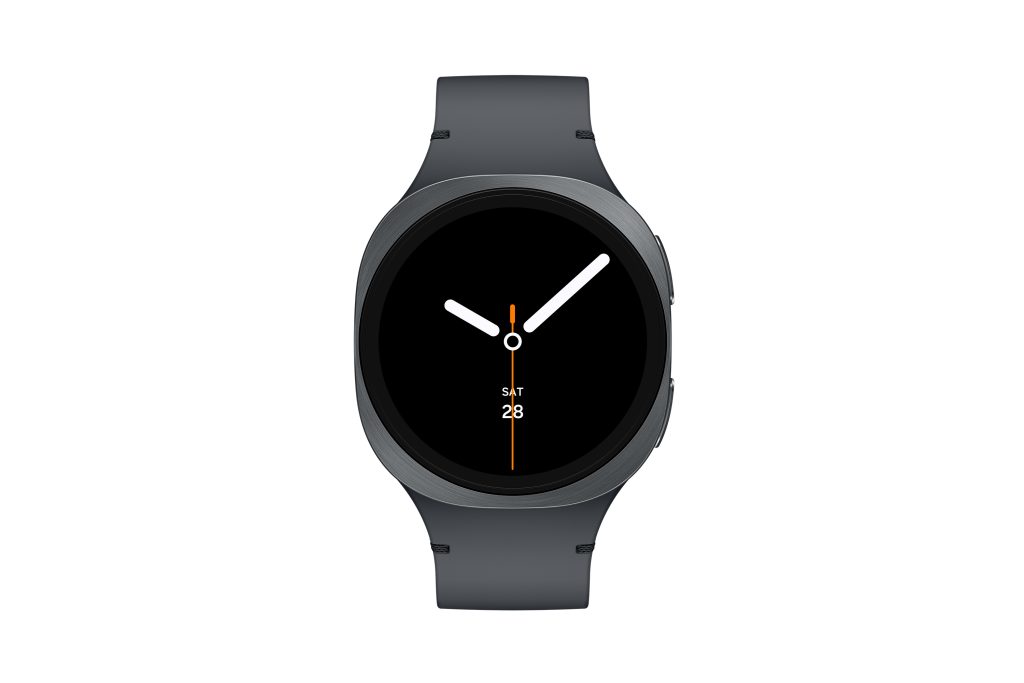
Samsung Galaxy Watch 8 (2025)